
Filter
906
Filtered Results: 906
Text search:
pharmacy
store
management
Featured
Recommendations
102
New Publications
360
Language
Document type
No document type
520
Guidelines
158
Studies & Reports
111
Manuals
59
Training Material
21
Strategic & Response Plan
19
Fact sheets
9
Situation Updates
6
Resource Platforms
1
Infographics
1
Online Courses
1
Countries / Regions
India
49
Kenya
48
Ethiopia
38
Uganda
37
Sierra Leone
36
Nigeria
34
Ghana
26
South Africa
26
Zambia
25
Malawi
24
Tanzania
24
Nepal
21
Rwanda
21
Liberia
20
Global
17
Bangladesh
17
Namibia
15
Zimbabwe
13
Myanmar / Burma
13
Botswana
12
Western and Central Europe
9
Lesotho
8
Congo, Democratic Republic of
8
Eswatini/ Swaziland
8
Mozambique
7
Indonesia
7
Cameroon
6
Syria
6
Senegal
6
Africa
6
Latin America and the Carribbean
5
Burkina Faso
4
Philippines
4
Guinea
4
Haiti
4
Cambodia
4
Brazil
4
South Sudan
4
Ukraine
3
Benin
3
Afghanistan
3
Germany
3
Central African Republic
3
Mali
3
Tajikistan
2
Timor Leste/ East Timor
2
Thailand
2
Jordan
2
South–East Asia Region
2
France
2
United Kingdom
2
Portugal
2
Vietnam
2
Eastern Europe
2
Sri Lanka
2
Sudan
2
Yemen
2
Angola
2
Bhutan
2
Pakistan
2
Mexico
1
Serbia
1
Turkey
1
Australia
1
Gambia
1
China
1
Albania
1
Laos
1
Qatar
1
Italy
1
Armenia
1
USA
1
Venezuela
1
West and Central Africa
1
Middle East and North Africa
1
Eastern Europe and Central Asia
1
Paraguay
1
Gabon
1
Denmark
1
Maldives
1
Spain
1
East and Southern Africa
1
Côte d’Ivoire / Ivory Coast
1
Lebanon
1
Moldova
1
Russia
1
Egypt
1
Palestine
1
Chad
1
Libya
1
Somalia
1
Authors & Publishers
Publication Years
Category
Countries
516
Key Resources
45
Clinical Guidelines
42
Public Health
28
Women & Child Health
28
Capacity Building
23
Pharmacy & Technologies
17
Annual Report MEDBOX
1
Toolboxes
Pharmacy
117
AMR
76
HIV
40
TB
38
COVID-19
35
Caregiver
25
Ebola & Marburg
19
Mental Health
16
NTDs
15
NCDs
11
Rapid Response
10
Malaria
10
Conflict
10
2.0 Rapid Response
9
Planetary Health
8
Refugee
5
Natural Hazards
5
Disability
4
Specific Hazards
3
Zika
3
Cholera
2
Health Financing Toolbox
2
Polio
2
Global Health Education
2
This report describes the work done by WHO from January 2015 up to the end of December 2016 to address the long-term issues of survivor care, health-systems strengthening and research.
WHO clinical guidelines.
For the first time, WHO has published guidelines to help (primarily) front-line healthcare providers give high-quality, compassionate, and respectful care to children and adolescents (up to age 18) who have or may have experienced sexual abuse, including sexual assault or r...
The recently published World Health Organization (WHO) Strengthening infection prevention and control in primary care document collates existing standards, measurement and implementation approaches, and resources for infection prevention and control (IPC) in primary care. During its development, it ...
Survey of the Quality of Selected Antimalarial Medicines Circulating in Six Countries of Sub-Saharan Africa
recommended
The survey aimed at evaluating the quality of selected antimalarials in six countries of sub-Saharan Africa (Cameroon, Ethiopia, Ghana, Kenya, Nigeria and the United Republic of Tanzania). These countries have been supported by WHO to strengthen their regulatory controls o...



This policy brief aims to provide a review of the current progress on implementing the Malawi national action plan on AMR, identifies critical gaps, and highlights findings to accelerate further progress in the human health sector. The target audience includes all those concerned with implementing a...


Guidelines for the Prevention of Tuberculosis in Health Care Facilities in Resource-limited Settings
These guidelines are designed for settings with limited resources to provide inexpensive and effective control strategies for prevention of TB transmission in health care workers (HCW).
This report presents key findings from a study carried out on the ‘Mainstreaming quality of care in empanelled hospitals under PMJAY’. It provides a detailed analysis of current coverage and perceptions of quality accreditation and certification across PMJAY empanelled hospitals from three diffe...
This report, written in partnership with various Royal Medical Colleges and Public Health England, sets out the essential actions to improve the physical health of adults with severe mental illness (SMI) across the NHS. The report makes practical recommendations for changes that will help adults wit...
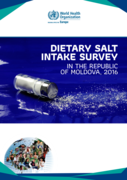
High salt consumption is an important determinant of high blood pressure and reducing it would improve health outcomes by lowering cardiovascular disease and therefore death rates. Reducing salt intake has been identified as one of the most effective public health measures and is one of the leading ...
