
Filter
7113
Filtered Results: 7113
Text search:
therapy
Featured
Recommendations
636
New Publications
1724
Language
Document type
No document type
4198
Guidelines
1007
Studies & Reports
1006
Manuals
324
Strategic & Response Plan
163
Fact sheets
156
Training Material
105
Situation Updates
43
Infographics
40
Brochures
28
Resource Platforms
24
Online Courses
12
Videos
5
Dashboards/Maps
1
App
1
Countries / Regions
India
364
Global
250
Kenya
185
South Africa
169
Uganda
140
Ethiopia
137
Nigeria
128
Nepal
124
Western and Central Europe
124
Tanzania
113
Zambia
107
Malawi
104
Sierra Leone
98
Africa
96
Rwanda
93
Namibia
86
Liberia
85
Latin America and the Carribbean
82
Ghana
78
Ukraine
76
Bangladesh
76
Eastern Europe
74
Germany
70
Myanmar / Burma
69
Indonesia
68
Russia
64
Zimbabwe
60
Lesotho
54
Philippines
52
Asia
48
Senegal
47
Congo, Democratic Republic of
43
Syria
40
Cambodia
39
South–East Asia Region
33
Mozambique
32
Haiti
30
Brazil
29
Burkina Faso
27
Botswana
27
South Sudan
27
Eswatini/ Swaziland
27
West and Central Africa
23
East and Southern Africa
22
Cameroon
20
Venezuela
17
Colombia
16
Guinea
16
Middle East and North Africa
16
Paraguay
16
Yemen
16
Argentina
15
Pakistan
15
Tajikistan
14
Eastern Europe and Central Asia
14
Benin
13
Albania
13
Afghanistan
12
USA
12
Lebanon
12
Iraq
12
Peru
11
Madagascar
11
Bolivia
10
Sudan
10
Thailand
9
Western Pacific Region
9
Vietnam
9
Moldova
9
China
8
Jordan
8
Central African Republic
8
Angola
8
North Macedonia
7
Armenia
7
Georgia
7
Mali
7
Somalia
7
Chile
6
Iran
6
Estonia
6
North America
6
Spain
6
Southern Africa
6
Sri Lanka
6
Ecuador
6
Laos
5
Kyrgyzstan
5
United Kingdom
5
Egypt
5
Romania
5
Poland
5
Bhutan
5
Switzerland
4
Timor Leste/ East Timor
4
Turkey
4
Kazakhstan
4
Canada
4
Guinea-Bissau
4
Hungary
4
Saudi Arabia
4
Chad
4
Serbia
3
Burundi
3
Jamaica
3
Papua New Guinea
3
Palestine
3
Libya
3
Mexico
2
El Salvador
2
Gambia
2
Togo
2
Fiji
2
Singapore
2
Niger
2
Uzbekistan
2
Qatar
2
Bulgaria
2
Lithuania
2
Gabon
2
Mauritius
2
Slovakia
2
North Korea
1
Australia
1
Malaysia
1
Austria
1
Morocco
1
Mongolia
1
Ireland
1
Turkmenistan
1
Denmark
1
Belgium
1
France
1
Maldives
1
Tunisia
1
Portugal
1
Belarus
1
Latvia
1
Côte d’Ivoire / Ivory Coast
1
Nicaragua
1
Djibouti
1
Greece
1
Solomon Islands
1
Authors & Publishers
Publication Years
Category
Countries
2634
Clinical Guidelines
633
Public Health
348
Women & Child Health
315
Key Resources
190
Capacity Building
119
Pharmacy & Technologies
73
Annual Report MEDBOX
2
Toolboxes
HIV
885
Mental Health
715
TB
549
COVID-19
399
AMR
250
NTDs
244
Disability
218
Caregiver
197
NCDs
182
Pharmacy
170
Refugee
148
Ebola & Marburg
116
Conflict
115
Malaria
90
Rapid Response
72
Planetary Health
54
Global Health Education
53
Cholera
42
Natural Hazards
41
Health Financing Toolbox
39
Polio
28
2.0 Rapid Response
25
Specific Hazards
24
Social Ethics
22
Zika
20
South Sudan
1

Developed through broad and inclusive consultation, and aligned with the WHO Global Health Sector Strategies and the Sustainable Development Goals, the framework promotes a people-centred approach and antimicrobial stewardship across 5 key domains: prevention and response, surveillance, research and...
A job aid for cadres supporting adolescents living with HIV (ages 15-19) in Orphans and Vulnerable
Children (OVC) Programs

These guidelines update earlier WHO recommendations to maximize the HIV prevention impact of safe VMMC services and aim to guide the transition to the sustained provision of interventions with a focus on the health and well-being of both adolescent boys and men.

We can't stop at almost. 2025 Goalkeeper Report
recommended
2025 is the first year of this century where child deaths will increase.
But we can stop this reversal before it becomes a trend, even in a time of tight budgets.
With proven solutions and next-generation innovations that do more with less, we can save millions of children's lives, protect the pro...

World malaria report 2025
recommended
Addressing the threat of antimalarial drug resistance. This year’s report spotlights the growing threat of antimalarial drug resistance. Partial resistance to artemisinin derivatives – the backbone of malaria treatments after failures of chloroquine and sulfadoxine-pyrimethamine – has now b...
China is one of the major countries for the production and use of antibacterial agents. Antibacterial agents are widely used in healthcare and animal husbandry. It plays a significant role in treating infections and saving patient lives, preventing and treating animal diseases, improving farming ef...
This 10th edition of the Institute for Health Metrics and Evaluation’s annual Financing Global Health report provides the most up-to-date estimates of development assistance for health, domestic spending on health, health spending on two key infectious diseases – malaria and HIV/AIDS – and fut...
Evolving Patterns of Worldwide Distribution as of 14thFebruary 2021
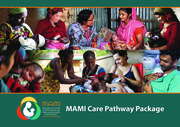
MAMI refers to the management of small and nutritionally at risk infants under six months of age (infants u6m) and their mothers.

Report of the WHO/Bill & Melinda Gates Foundation Consultation. The Consultation was organized back-to-back with the first annual meeting of the International Coordinating Group of the BMGF-funded project for human and dog rabies elimination in developing countries, held at WHO headquarters, Geneva,...
This National Prevention Road Map addresses the above-mentioned challenges and aims to guide, focus and reinvigorate the HIV prevention response during the period 2018-2020. It also renews the commitment of political leadership,
Arbeit der Psychosozialen Zentren für Flüchtlinge und Folteropfer (PSZ): Dort soll ein sicherer Raum für Geflüchtete geschaffen werden, damit sie über ihre Erlebnisse und Erfahrungen sprechen und psychosoziale Beratung und Unterstützung erhalten können. Auf der Basis eines menschenrechtlichen...

Journal of Palliative Medicine Volume 21, Number 10, 2018
DOI: 10.1089/jpm.2018.0248ad

This paper, originally presented as a Sussex Development Lecture, asks how the Ebola crisis might offer a lens to reflect on interlaced challenges around curbing inequalities, accelerating sustainability, and building inclusive, secure societies, and why these matter so much. And it discusses why ad...
Breast cancer is the most common cancer worldwide and the leading cause of cancer deaths among women, disproportionately affecting low- and middle-income countries. The Global Breast Cancer Initiative strives to reduce breast cancer mortality by 2.5 percent per year, which over a 20-year period can ...
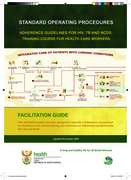
The target audience for this training course is non-clinicians such as Home Based Carers, Community Caregivers, Youth Care Workers, Peer educators, Community Health Workers etc. primarily those who will be providing adherence counselling to clients with HIV, TB, Hypertension and Diabetes. This group...
Trainer Manual Introduction (Section 1-3)
