Filter
2322
Filtered Results: 2322
Text search:
United
Nations
Children’s
Fund
(UNICEF),
World
Health
Organization
(WHO)
Featured
Recommendations
189
New Publications
790
Language
Document type
No document type
1461
Studies & Reports
368
Guidelines
221
Manuals
98
Strategic & Response Plan
87
Situation Updates
33
Training Material
25
Fact sheets
21
Infographics
4
Resource Platforms
3
Online Courses
1
Countries / Regions
Global
113
Liberia
75
Kenya
74
Sierra Leone
71
Nepal
65
Ethiopia
65
Nigeria
60
Uganda
57
Zambia
54
Myanmar / Burma
54
Bangladesh
43
Syria
42
Malawi
38
Ghana
32
Rwanda
32
India
32
Tanzania
31
Namibia
30
South Sudan
30
Ukraine
28
Africa
26
Zimbabwe
24
Congo, Democratic Republic of
23
Lesotho
22
Philippines
22
Guinea
22
Indonesia
21
Latin America and the Carribbean
20
South Africa
20
Mozambique
19
Cambodia
18
Western and Central Europe
18
Yemen
18
Asia
17
Senegal
14
Pakistan
14
Afghanistan
13
Haiti
13
Jordan
13
South–East Asia Region
13
East and Southern Africa
12
Venezuela
10
Middle East and North Africa
10
Lebanon
10
Cameroon
9
West and Central Africa
9
Central African Republic
9
Brazil
8
Botswana
8
Laos
6
Eastern Europe and Central Asia
6
Eastern Europe
6
Sudan
6
Madagascar
6
Colombia
5
Thailand
5
Burkina Faso
5
Moldova
5
Russia
5
Mali
5
Iraq
5
Somalia
5
Turkey
4
Benin
4
Togo
4
Guinea-Bissau
4
Western Pacific Region
4
Vietnam
4
Papua New Guinea
4
Sri Lanka
4
Eswatini/ Swaziland
4
North Macedonia
3
Iran
3
Albania
3
Germany
3
Côte d’Ivoire / Ivory Coast
3
Tajikistan
2
China
2
Niger
2
Peru
2
Bulgaria
2
Italy
2
Croatia
2
Paraguay
2
Turkmenistan
2
Japan
2
Egypt
2
Greece
2
Georgia
2
Chad
2
Libya
2
Bhutan
2
North Korea
1
Timor Leste/ East Timor
1
Mexico
1
Serbia
1
Gambia
1
Kazakhstan
1
Kyrgyzstan
1
Burundi
1
Malaysia
1
Vanuatu
1
Hungary
1
Portugal
1
Spain
1
Azerbaijan
1
Belarus
1
Bosnia and Herzegovina
1
Southern Africa
1
Argentina
1
Romania
1
Slovakia
1
Poland
1
Angola
1
Solomon Islands
1
Authors & Publishers
Publication Years
Category
Countries
983
Women & Child Health
273
Key Resources
183
Clinical Guidelines
118
Public Health
94
Capacity Building
44
Pharmacy & Technologies
11
Toolboxes
HIV
195
COVID-19
174
Disability
140
Conflict
117
Mental Health
103
Ebola & Marburg
71
Caregiver
57
Planetary Health
57
Refugee
47
Health Financing Toolbox
41
Global Health Education
38
Rapid Response
33
TB
30
AMR
25
Natural Hazards
24
Pharmacy
21
Polio
20
2.0 Rapid Response
18
NTDs
16
Cholera
15
Zika
11
Malaria
9
Specific Hazards
7
NCDs
7
South Sudan
1
Social Ethics
1

The objectives of this guideline are the same as those of the 2011 edition, namely to provide evidence-based normative guidance on interventions to improve adolescent morbidity and mortality by reducing the chances of early pregnancy and its resulting poor health outcomes. The specific objectives of...

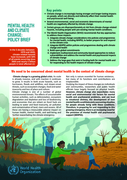
We need to be concerned about mental health in the context of climate change
Notable progress has also been made on other key health indicators such as reducing maternal, infant and child deaths and malnutrition, increasing immunization coverage, eliminating infectious diseases such as polio and reducing the incidence of malaria, tuberculosis and diarrhoeal diseases.
But ...
This report, published in conjunction with a summary overview of results of rounds 1–8, is the eighth and final report in a series of laboratory-based evaluations of rapid diagnostic tests (RDTs) for malaria. It provides a comparative measure of their performance in a standardized way to distingui...
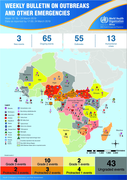
Cyclone in Mozambique and Zimbabwe
Ebola virus disease in Democratic Republic of the Congo
Humanitarian crisis in Mali
Humanitarian crisis in Central African Republic.

Guidelines for WHO Representatives and Country
Offices in the Western Pacific Region

Evidence- and rights-based national policies, guidelines and legislation play a key role in improving sexual, reproductive, maternal, newborn, child and adolescent health (SRMNCAH), framing the enabling environment for equitable provision and accessibility of quality services. The SRMNCAH policy sur...
Considerations for implementing and adjusting public health and social measures in the context of COVID-19
recommended
interim guidance, 14 June 2021
This document is intended for national authorities and decision makers in countries that have introduced large scale public health and social measures. It offers guidance for adjusting public health and social measures, while managing the risk of a resurgence of cases...