
Filter
4114
Filtered Results: 4114
Text search:
health
finance
Featured
Recommendations
252
New Publications
1113
Language
Document type
No document type
2149
Studies & Reports
910
Guidelines
418
Strategic & Response Plan
272
Manuals
167
Fact sheets
68
Training Material
56
Situation Updates
36
Brochures
12
Resource Platforms
12
Infographics
10
Dashboards/Maps
2
Online Courses
2
Countries / Regions
Global
247
India
107
Kenya
102
Uganda
93
Latin America and the Carribbean
85
Congo, Democratic Republic of
84
Sierra Leone
83
Senegal
82
Rwanda
80
Africa
76
Ethiopia
74
Liberia
74
Myanmar / Burma
73
Nigeria
65
Nepal
64
Benin
61
Zambia
60
Western and Central Europe
57
Burkina Faso
56
South Africa
55
Ghana
54
Malawi
53
Mozambique
53
Haiti
50
Brazil
50
Ukraine
43
Tanzania
41
Bangladesh
41
Namibia
40
Guinea
38
Cameroon
35
Cambodia
29
Colombia
27
Syria
27
Asia
27
Central African Republic
27
Madagascar
27
Philippines
26
West and Central Africa
26
Eastern Europe
25
Indonesia
23
Lesotho
22
Zimbabwe
22
East and Southern Africa
22
Venezuela
21
South–East Asia Region
19
Botswana
19
Peru
17
Paraguay
16
South Sudan
15
Togo
14
Afghanistan
14
Middle East and North Africa
14
Mali
14
Angola
12
Pakistan
12
China
11
Niger
11
Eswatini/ Swaziland
10
Laos
9
Germany
9
Yemen
9
Thailand
8
Guinea-Bissau
8
Côte d’Ivoire / Ivory Coast
8
Argentina
8
Sudan
8
Western Pacific Region
7
Eastern Europe and Central Asia
7
Spain
7
Bolivia
7
Lebanon
7
Sri Lanka
7
Chad
7
Somalia
7
El Salvador
6
Chile
6
Jordan
6
Vietnam
6
Ecuador
6
Tajikistan
5
Timor Leste/ East Timor
5
Burundi
5
Papua New Guinea
5
Moldova
5
Georgia
5
Iraq
5
North Macedonia
4
Turkey
4
Albania
4
Hungary
4
Jamaica
4
Russia
4
Poland
4
Honduras
4
Mexico
3
Nicaragua
3
Guatemala
3
Gambia
2
Iran
2
Uzbekistan
2
Mongolia
2
Dominican Republic
2
Croatia
2
North America
2
France
2
Mauritius
2
United Kingdom
2
Portugal
2
Southern Africa
2
Romania
2
Palestine
2
Libya
2
Switzerland
1
Serbia
1
Kazakhstan
1
Fiji
1
Singapore
1
Estonia
1
Kyrgyzstan
1
Malaysia
1
Vanuatu
1
Bulgaria
1
Mauritania
1
Italy
1
Armenia
1
USA
1
Lithuania
1
Saudi Arabia
1
Gabon
1
Uruguay
1
Turkmenistan
1
Japan
1
Maldives
1
Morocco
1
Belarus
1
Israel
1
Belize
1
Costa Rica
1
Panama
1
Egypt
1
Slovakia
1
Greece
1
Bhutan
1
Authors & Publishers
Publication Years
Category
Countries
1835
Key Resources
264
Public Health
209
Women & Child Health
152
Clinical Guidelines
148
Capacity Building
43
Pharmacy & Technologies
28
Toolboxes
COVID-19
299
Mental Health
224
Planetary Health
213
Health Financing Toolbox
204
HIV
198
TB
164
Disability
145
Ebola & Marburg
102
AMR
102
Global Health Education
93
Conflict
90
Caregiver
88
NTDs
79
Malaria
75
Refugee
64
Natural Hazards
64
Rapid Response
61
Pharmacy
50
2.0 Rapid Response
44
NCDs
43
Polio
30
Cholera
23
Zika
14
Specific Hazards
10
Social Ethics
10
Typhoon
6
Glob Ment Health (Camb). 2015; 2: e12. Published online 2015 Jul 14. doi: 10.1017/gmh.2015.10
Low and middle income countries (LMICs) are facing an increase of the impact of mental health problems while confronted with limited resources and limited access to mental health care, known as the ‘me...
The World Health Organization Assessment Instrument for Mental Health Systems (WHO-AIMS) was used to collect information on the mental health system in Ghana for the year 2011. The goal of collecting this information is to improve the mental health system and to provide a baseline for monitoring the...
The availability of water, sanitation and hygiene (WASH) services in health care facilities, especially in maternity and primary-care settings where they are often absent, supports core aspects of quality, equity and dignity for all people. This document describes an approach for conducting a nation...


Medical care for people caught up in armed conflict and other insecure environments saves lives and alleviates suffering. It is one of the most immediate and high priority needs of an affected population and is often the first type of response activated and/or requested by authorities and affected c...
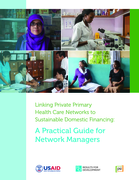
The guide helps network managers and technical experts navigate the steps necessary for gathering, structuring, analyzing and reporting information needed to make strategic plans that improve sustainability and equity.

No Public Health without Refugee and Migrant health.
This report, the first of its kind, creates an evidence base with the aim of catalysing progress towards developing and promoting migrant-sensitive health systems in the 53 Member States of the WHO European Region and beyond. This report seeks to...

Despite the continuing war in Ukraine, the Government is preparing for the country’s recovery and reconstruction. Given the magnitude of the attacks on the health infrastructure and consequent disruption to health system functioning, reconstruction of the health system is integral to the countryâ€...

The application of digital health technology is growing at a rapid rate in Africa, with the goals of improving the delivery of healthcare services and more effectively reaching out to remote and underserved communities. The lack of enabling guidelines and standards across the continent, on the other...
Operational Framework for Primary Health Care
recommended
For the first time WHO and UNICEF bring together the data on sanitation coverage and investment, and how it impacts health, economies, and the environment. Citing evidence on what works from successful countries and global guidelines, WHO and UNICEF call for strong government leadership and investme...
A manual for health managers
The Human Resources for Health policy (HRH) will provide guidelines and the direction toward strengthening the planning, management, utilization and monitoring of health sector human resources; not forgetting responses to the contemporary challenges and developments in the sector including the mobil...

It provides insight into WHO’s work that aims to improve the health of the people of the United Republic of Tanzania in collaboration with key stakeholders.

Atlas of African Health Statistics 2022: Health situation analysis of the WHO African Region
Since 2019, we have been implementing Phase 2 of the regional Transformation Agenda, which informs and aligns with the global WHO Transformation, to ensure WHO is accountable, driven by re- sults and provid...

In In recent years, China has increased its international engagement in health. Nonetheless, the lack
of data on contributions has limited efforts to examine contributions from China. Existing estimates that track
development assistance for health (DAH) from China have relied primarily on one data...

Unmet mental health needs in the Region of the Americas are a leading source of morbidity and mortality, which result in tremendous health, social, and economic consequences. The COVID-19 pandemic has exacerbated the mental health crisis in the Region, necessitating urgent action at the highest leve...

This report presents a framework to link science, policy and practice for a comprehensive assessment of climate mitigation and adaptation investments and their impact on human health.The framework proposes to use weather and climate data to forecast health impacts over time, as well as biophysical a...
