Filter
8153
Filtered Results: 8153
Text search:
community-based
education
Featured
Recommendations
648
New Publications
2174
Language
Document type
No document type
4753
Studies & Reports
1396
Guidelines
825
Manuals
447
Strategic & Response Plan
314
Training Material
163
Fact sheets
114
Situation Updates
71
Brochures
23
Infographics
22
Resource Platforms
20
Online Courses
4
App
1
Countries / Regions
India
353
Global
335
Kenya
282
Ethiopia
192
Myanmar / Burma
184
South Africa
182
Nepal
180
Uganda
176
Sierra Leone
163
Nigeria
152
Liberia
150
Bangladesh
136
Tanzania
133
Zambia
131
Malawi
128
Western and Central Europe
125
Rwanda
121
Syria
118
Africa
107
Ghana
103
Latin America and the Carribbean
98
Namibia
88
Philippines
79
Ukraine
78
Congo, Democratic Republic of
68
Zimbabwe
64
South Sudan
61
Cambodia
60
Indonesia
59
Lesotho
57
Mozambique
54
South–East Asia Region
52
Senegal
51
Asia
47
Haiti
44
Eastern Europe
41
Guinea
40
Burkina Faso
38
East and Southern Africa
35
Botswana
35
Lebanon
33
Brazil
32
West and Central Africa
31
Yemen
31
Afghanistan
30
Venezuela
28
Cameroon
27
Middle East and North Africa
27
Colombia
26
Central African Republic
26
Pakistan
26
Benin
24
Jordan
23
Eastern Europe and Central Asia
23
Vietnam
23
Thailand
22
Germany
21
Eswatini/ Swaziland
21
Sudan
19
China
18
Russia
18
Mali
16
Laos
15
Iraq
15
Western Pacific Region
14
Sri Lanka
13
Somalia
13
Tajikistan
12
Albania
12
USA
12
Madagascar
11
Moldova
10
Georgia
10
Turkey
9
Peru
9
Chile
8
Southern Africa
8
Côte d’Ivoire / Ivory Coast
8
Palestine
8
Iran
7
Burundi
7
Angola
7
Togo
6
Kazakhstan
6
Paraguay
6
North America
6
Papua New Guinea
6
Egypt
6
North Macedonia
5
Timor Leste/ East Timor
5
Mexico
5
Malaysia
5
United Kingdom
5
Poland
5
Libya
5
Ecuador
5
Guatemala
5
El Salvador
4
Gambia
4
Canada
4
Kyrgyzstan
4
Niger
4
Guinea-Bissau
4
Turkmenistan
4
Bolivia
4
Argentina
4
Honduras
4
Serbia
3
Singapore
3
Dominican Republic
3
Croatia
3
Hungary
3
Japan
3
Mauritius
3
Portugal
3
Spain
3
Bosnia and Herzegovina
3
Romania
3
Greece
3
Fiji
2
Estonia
2
Armenia
2
Lithuania
2
Saudi Arabia
2
Jamaica
2
Azerbaijan
2
Guyana
2
Nicaragua
2
Chad
2
Switzerland
1
Vanuatu
1
Morocco
1
Mongolia
1
Qatar
1
Bulgaria
1
Ireland
1
Gabon
1
France
1
Maldives
1
Tunisia
1
South Korea
1
Belarus
1
Israel
1
Latvia
1
Belize
1
Costa Rica
1
Panama
1
Slovakia
1
Bhutan
1
Authors & Publishers
Publication Years
Category
Countries
3316
Key Resources
471
Public Health
462
Women & Child Health
441
Clinical Guidelines
426
Capacity Building
204
Pharmacy & Technologies
25
Annual Report MEDBOX
2
Toolboxes
Mental Health
704
HIV
612
COVID-19
542
Disability
475
TB
307
Conflict
264
Planetary Health
257
Caregiver
239
AMR
199
Ebola & Marburg
193
NTDs
193
Refugee
173
NCDs
145
Global Health Education
144
Rapid Response
118
Natural Hazards
113
Pharmacy
87
Health Financing Toolbox
79
Malaria
78
2.0 Rapid Response
71
Social Ethics
61
Cholera
43
Zika
33
Polio
30
Specific Hazards
28
Typhoon
5
South Sudan
1
A toolkit to equip young people with the skills to become powerful advocates for Youth Sexual Reproductive Health and Rights (YSRH&R)
Accessed: 17.11.2019

The sixteenth meeting of the Strategic and Technical Advisory Group for Neglected Tropical Diseases (STAG-NTD) was held as a hybrid meeting, 27–28 September 2022.
Dr Ren Minghui, Assistant Director-General, Universal Health Coverage/Communicable and Noncommunicable Diseases, welcomed participan...

The key actions, activities, and approaches in this document are organized within each of the 5Cs (see Table 1 in the PDF) and those of the Strategic preparedness and response plan (SPRP) pillars as follows:
National action plan key activities, prioritized for the current context and the current ...
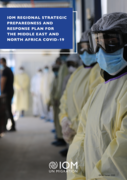
While the full effects of COVID-19 remain unknown, the pandemic continues to profoundly impact regional migration and mobility dynamics, with deep health, social and economic consequences for the most vulnerable, including migrants, displaced populations and their host communities, and returnees.
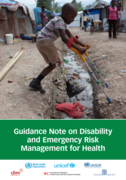
This guidance note is intended primarily for health actors working in emergency and disaster risk management (hereafter 'emergency risk management') at the local, national or international level, and in governmental or nongovernmental agencies. People with disabilities, those...
Option B+
Tackling Tuberculosis in Under-Served Populations: A Resource for TB Control Boards and their partners

Regular physical activity is proven to help prevent and treat noncommunicable diseases (NCDs) such as heart disease, stroke, diabetes and breast and colon cancer. It also helps to prevent hypertension, overweight and obesity and can improve mental health, quality of life
and well-being.

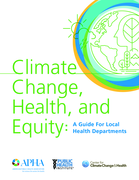
This 400 page guide, created by PHI’s Center for Climate Change and Health and the American Public Health Association (APHA), with support from the California Department of Public Health helps local health departments prepare for and mitigate climate change effects—from drought and heat to flood...

Cholera is a major health risk in many parts of the world, affecting millions of people every year. Since mid-2021, the world has been facing an acute upsurge of the 7th cholera pandemic, which is characterized by the number, size and concurrence of multiple outbreaks, the spread to areas that had b...