
Filter
6792
Filtered Results: 6792
Text search:
adult
treatment
Featured
Recommendations
628
New Publications
1678
Language
Document type
No document type
3978
Studies & Reports
1009
Guidelines
927
Manuals
330
Strategic & Response Plan
163
Fact sheets
157
Training Material
114
Situation Updates
41
Infographics
34
Brochures
17
Resource Platforms
17
Online Courses
5
Countries / Regions
India
320
Global
266
Kenya
181
South Africa
164
Ethiopia
140
Western and Central Europe
139
Uganda
121
Nigeria
117
Tanzania
114
Nepal
104
Latin America and the Carribbean
104
Malawi
103
Africa
103
Sierra Leone
102
Zambia
100
Liberia
94
Bangladesh
88
Namibia
81
Myanmar / Burma
77
Rwanda
72
Ghana
70
Syria
62
Ukraine
61
Lesotho
58
Zimbabwe
53
Philippines
53
Eastern Europe
52
Russia
48
Mozambique
46
Indonesia
46
Asia
41
Germany
41
Brazil
39
Cambodia
38
South Sudan
37
Congo, Democratic Republic of
36
South–East Asia Region
35
Senegal
32
Haiti
32
Botswana
29
Yemen
26
Venezuela
25
Burkina Faso
22
Guinea
22
East and Southern Africa
22
Eswatini/ Swaziland
22
Cameroon
21
Colombia
20
Eastern Europe and Central Asia
20
Paraguay
19
Lebanon
18
Middle East and North Africa
17
Argentina
16
USA
14
Sudan
14
Madagascar
14
Thailand
13
Afghanistan
13
Peru
13
West and Central Africa
13
Pakistan
13
Tajikistan
12
Chile
12
Vietnam
12
Albania
11
Jordan
11
North America
11
Iraq
11
China
10
Benin
9
Western Pacific Region
9
Georgia
9
Bolivia
8
Sri Lanka
8
Somalia
8
Ecuador
8
Turkey
7
Laos
7
Kyrgyzstan
7
Spain
7
Moldova
7
Central African Republic
7
Angola
7
North Macedonia
5
Timor Leste/ East Timor
5
Serbia
5
Iran
5
Armenia
5
United Kingdom
5
Southern Africa
5
Côte d’Ivoire / Ivory Coast
5
Papua New Guinea
5
Greece
5
Mali
5
Libya
5
Mexico
4
El Salvador
4
Kazakhstan
4
Canada
4
Estonia
4
Morocco
4
Jamaica
4
Portugal
4
Egypt
4
Romania
4
Palestine
4
Niger
3
Uzbekistan
3
Guinea-Bissau
3
Hungary
3
Saudi Arabia
3
Djibouti
3
Chad
3
Bhutan
3
Gambia
2
Fiji
2
Malaysia
2
Qatar
2
Italy
2
Croatia
2
Lithuania
2
Turkmenistan
2
Japan
2
France
2
Tunisia
2
Azerbaijan
2
Belarus
2
Poland
2
North Korea
1
Switzerland
1
Togo
1
Singapore
1
Burundi
1
Mongolia
1
Ireland
1
Gabon
1
Uruguay
1
Mauritius
1
Norway
1
Bosnia and Herzegovina
1
Oman
1
Nicaragua
1
Honduras
1
Solomon Islands
1
Bahamas
1
Guatemala
1
Authors & Publishers
Publication Years
Category
Countries
2531
Clinical Guidelines
634
Public Health
371
Women & Child Health
322
Key Resources
200
Capacity Building
171
Pharmacy & Technologies
45
Annual Report MEDBOX
2
Toolboxes
HIV
787
Mental Health
770
TB
481
COVID-19
430
NTDs
272
Disability
234
NCDs
192
Caregiver
165
Conflict
139
Refugee
129
Ebola & Marburg
117
AMR
107
Planetary Health
92
Pharmacy
90
Malaria
88
Rapid Response
85
Global Health Education
60
Cholera
56
Zika
46
Natural Hazards
45
Health Financing Toolbox
34
2.0 Rapid Response
31
Social Ethics
23
Specific Hazards
19
Polio
19
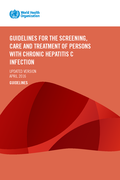
The objectives of these WHO guidelines are to provide updated evidence- based recommendations for the treatment of persons with hepatitis C infection using, where possible, all DAA-only combinations. The guidelines also provide recommendations on the preferred regimens based on a patient’s HCV gen...

The international community sits at the tipping pointof a post-‐antibiotic era, where common bacterial infections are no longer treatable with the antibiotic armamentarium that exists. In South Africa, t...

Review Article:
The American Journal of the Medical Sciences 2011;341(6):493–498.]
PLoS Negl Trop Dis 13(10): e0007694. In 2005, the World Health Organization (WHO) recognized Chagas disease (CD; Trypanosoma cruzi infection) as a neglected tropical disease (NTD) [1] and included it into the global plan to combat NTDs [2]. The Target 3.3 of the United Nations Sustainable Developmen...
Article published in: Journal of Intensive Care (2015) 3:16
Perspectives on Drugs
A systematic review of randomized controlled efficacy trials | REPORT -
DEPARTMENT OF CHILD AND ADOLESCENT HEALTH AND DEVELOPMENT
Q5.SCOPING QUESTION: In individuals with psychotic disorders (including schizophrenia) who require long-term antipsychotic treatment, what is the safety and role of depot antipsychotic medication?
Q8. SCOPING QUESTION: In people with bipolar disorders who require maintenance treatment, are a) antipsychotics or b) mood stabilizers (lithium, valproate or carbamazepine) effective and safe?

Open Forum Infect Dis . 2022 Apr 5;9(5):ofac148.doi: 10.1093/ofid/ofac148. eCollection 2022 May. Dolutegravir HIV drug resistance (HIVDR) data from Africa remain sparse. We reviewed HIVDR results of Malawians on dolutegravir-based antiretroviral therapy (November 2020– September 2021). Of 6462 eli...

This guideline is for:
• health and care practitioners
• health and care staff involved in planning and delivering services
• commissioners.
The recommendations bring together:
• existing national and international guidance and policies
• advice from specialists working in the NHS fr...

Jin et al. Military Medical Research (2020) 7:4 https://doi.org/10.1186/s40779-020-0233-6
Position Article und Guideline
Q6: In individuals with psychotic disorders (including schizophrenia) who require long term antipsychotic treatment, are anticholinergic medications more effective in preventing or reducing extrapyramidal side-effects and/or improving treatment adherence than placebo/treatment as usual?
