
Filter
7071
Filtered Results: 7071
Text search:
Community
Health
Committee
Featured
Recommendations
608
New Publications
2004
Language
Document type
No document type
4056
Studies & Reports
1218
Guidelines
809
Manuals
392
Strategic & Response Plan
313
Training Material
93
Fact sheets
87
Situation Updates
67
Resource Platforms
15
Infographics
12
Brochures
7
Online Courses
2
Countries / Regions
India
301
Global
298
Kenya
225
Uganda
170
South Africa
167
Sierra Leone
164
Nepal
162
Nigeria
146
Myanmar / Burma
145
Liberia
144
Ethiopia
140
Western and Central Europe
118
Bangladesh
117
Malawi
115
Rwanda
111
Zambia
103
Syria
102
Ghana
92
Africa
89
Tanzania
85
Namibia
78
Latin America and the Carribbean
77
Congo, Democratic Republic of
74
South Sudan
66
Ukraine
65
Philippines
60
Lesotho
52
Cambodia
52
Eastern Europe
52
Mozambique
50
Zimbabwe
49
South–East Asia Region
46
Guinea
45
Asia
42
Indonesia
41
Senegal
40
Burkina Faso
35
West and Central Africa
33
East and Southern Africa
33
Botswana
33
Yemen
32
Russia
30
Afghanistan
29
Haiti
28
Venezuela
26
Middle East and North Africa
25
Cameroon
24
Eastern Europe and Central Asia
23
Central African Republic
23
Lebanon
21
Brazil
21
Pakistan
21
Eswatini/ Swaziland
20
Jordan
19
Germany
19
Colombia
18
Benin
18
Thailand
16
Vietnam
16
Sudan
16
China
15
Mali
15
Tajikistan
14
Somalia
14
Laos
13
Western Pacific Region
13
Sri Lanka
13
Albania
11
Iraq
11
USA
10
Moldova
10
Palestine
9
Angola
9
Madagascar
9
Guinea-Bissau
8
Mexico
7
Togo
7
Kyrgyzstan
7
Niger
7
Peru
7
Southern Africa
7
Timor Leste/ East Timor
6
Burundi
6
North America
6
Côte d’Ivoire / Ivory Coast
6
Papua New Guinea
6
Georgia
6
Poland
6
Chad
6
Gambia
5
Kazakhstan
5
Iran
5
Paraguay
5
Argentina
5
Libya
5
Serbia
4
Turkey
4
Chile
4
Hungary
4
Romania
4
Bhutan
4
Ecuador
4
North Macedonia
3
Canada
3
Fiji
3
Armenia
3
Turkmenistan
3
Jamaica
3
Japan
3
Mauritius
3
United Kingdom
3
Portugal
3
Belarus
3
Bosnia and Herzegovina
3
Bolivia
3
Greece
3
El Salvador
2
Singapore
2
Malaysia
2
Mauritania
2
Italy
2
Croatia
2
Lithuania
2
Azerbaijan
2
Egypt
2
Honduras
2
Guatemala
2
North Korea
1
Switzerland
1
Estonia
1
Uzbekistan
1
Vanuatu
1
Morocco
1
Qatar
1
Bulgaria
1
Dominican Republic
1
Saudi Arabia
1
Gabon
1
Denmark
1
Belgium
1
Maldives
1
Norway
1
Spain
1
Israel
1
Guyana
1
Slovakia
1
Authors & Publishers
Publication Years
Category
Countries
2870
Key Resources
497
Clinical Guidelines
411
Public Health
383
Women & Child Health
368
Capacity Building
123
Pharmacy & Technologies
35
Toolboxes
Mental Health
500
COVID-19
479
HIV
477
Disability
364
TB
304
Conflict
256
Ebola & Marburg
223
Planetary Health
218
AMR
209
Caregiver
184
Refugee
163
NTDs
157
Rapid Response
143
Global Health Education
112
NCDs
111
Pharmacy
110
Natural Hazards
108
Health Financing Toolbox
85
Malaria
78
2.0 Rapid Response
77
Polio
47
Cholera
37
Specific Hazards
35
Social Ethics
35
Zika
35
Typhoon
6
South Sudan
1
A toolkit to equip young people with the skills to become powerful advocates for Youth Sexual Reproductive Health and Rights (YSRH&R)
Accessed: 17.11.2019
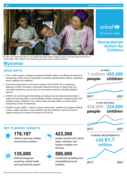
Over 1 million people, including an estimated 450,000 children, are affected by Myanmar’s decade-long conflict and are increasingly vulnerable to gender-based violence, exploitation, abuse, detention and trafficking.
Community transmission of coronavirus disease 2019 (COVID-19) is increasing in...

Syria Regional Crisis Emergency Appeal 2020
recommended
In 2020, UNRWA will continue to support Palestine refugees affected by the protracted crisis through providing relief assistance and ensuring access to essential education and health services. Drawing on its existing structures, supply chains and capacities, the Agency will continue to adapt its int...
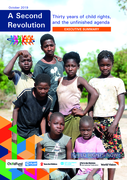
The report showed commitments made three decades ago to protect the rights of children remain unfulfilled for millions. Violence still affects countless children. Discrimination based on age, gender, disability, sexual orientation and religion harms children worldwide.
The UN Convention on the Ri...

The Guidelines for the Use of the APCA African Palliative Outcome Scale (POS) has been developed by the APCA, in collaboration with
stakeholders, to help appropriately trained health practitioners and researchers across the region to utilise the APCA African POS in their work place (Powell et...
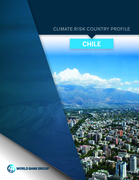
Climate change is a major risk to good development outcomes, and the World Bank Group is committed to playing an important role in helping countries integrate climate action into their core development agendas. The World Bank Group is committed to supporting client countries to invest in and build a...
Climate change is a major risk to good development outcomes, and the World Bank Group is committed to playing an important role in helping countries integrate climate action into their core development agendas. The World Bank Group is committed to supporting client countries to invest in and build a...
The document outlines the 2017 cholera outbreak in Zambia, mainly in Lusaka, due to poor sanitation and unsafe water. By December, 493 cases were reported, with risks increasing due to the rainy season. The Zambia Red Cross Society (ZRCS), in collaboration with the Ministry of Health, WHO, and UNICE...
South Africa has faced many challenges over the past two decades, accomplishing profound positive changes in the social structure and government of the nation. This has not yet fully translated into better health for the population, however, particularly the poorest segment. In fact, the p...
The update of the ESTC was conducted as a joint endeavour with ERS, consulting experts from international societies and organisations, national TB programmes, civil society and affected communities. The second edition of the ESTC includes 21 standards in the areas of diagnosis, treatment, HIV and co...
The objectives of this guidance document are to:
1. Strengthen the capacity of country teams to effectively scale up and manage programmes to address severe acute malnutrition
2. Extend the geographic reach of quality treatment for SAM to all vulnerable communities in need
3. Maximize...
1. Strengthen the capacity of country teams to effectively scale up and manage programmes to address severe acute malnutrition
2. Extend the geographic reach of quality treatment for SAM to all vulnerable communities in need
3. Maximize...

The document is a comprehensive practical guide for managing cholera epidemics. It includes detailed instructions on outbreak investigation, control measures, case management, and the organization of treatment facilities. It emphasizes strategies such as rehydration therapy, water sanitation, hygien...

How should humanitarian organisations prepare and respond to COVID-19 in humanitarian settings in low- and middle-income countries?
This Rapid Learning Review outlines 14 actions, insights and ideas for humanitarian actors to consider in their COVID-19 responses. It summarises and synthesises the...
For close to 15 years, the Monitor has tracked the impact of victim assistance on the lives of victims of landmines, cluster munitions,
and other explosive remnants of war (hereafter “mine/ERW victims”). Over this time, the international communi...
Results from the baseline study indicated that schoolgirls in the southwestern refugee settlement context lacked access to the menstrual hygiene knowledge and products required for them to manage their menstruation in a healthy and dignified manner. Although UNHCR mandates that all women and girls o...
Antibiotic stewardship refers to coordinated efforts and activities that seek to measure and improve use of antibiotics. Implementation of ASPs has demonstrated positive public health and clinical impacts including reducing costs, lengths of hospital stays, and the burden of antibiotic resistance wh...
Our goal at Voices for Georgia’s Children is to help decision-makers craft and implement policies that ensure Georgia’s children grow up to be healthy, educated and productive citizens. To that end, we have developed a comprehensive policy agenda focused on early childhood, child health and disc...
Experience from Save the Children and partners globally
demonstrates that improvements in education quality go hand-in-hand
with inclusion and access, Flexible, quality, responsive learning
environments will benefit all children and are fundamental to including
marginalised groups like disabled ...

Medicinal plants occupied an important position in the socio-cultural, spiritual and medicinal arena of rural people of India. T
The present report is based on contribution made by members of the task force and many other experts on medicinal plants. We hope the report on implementation will promot...
Internationally, there is a growing concern over antimicro-bial resistance (AMR) which is currently estimated to ac-count for more than 700,000 deaths per year worldwide. If no appropriate measures are taken to halt its pro-gress, AMR will cost approximately 10 million lives andabout US$100 trillion...
