Filter
2739
Filtered Results: 2739
Text search:
financial
sustainability
Featured
Recommendations
190
New Publications
802
Language
Document type
No document type
1525
Studies & Reports
585
Guidelines
241
Strategic & Response Plan
164
Manuals
125
Training Material
38
Fact sheets
27
Situation Updates
22
Resource Platforms
5
Brochures
4
Infographics
3
Countries / Regions
Global
169
Kenya
107
Myanmar / Burma
71
Uganda
67
Ethiopia
67
India
61
Nepal
59
Sierra Leone
59
Rwanda
58
Africa
57
Liberia
57
Nigeria
54
Malawi
53
Tanzania
44
South Africa
44
Latin America and the Carribbean
41
Western and Central Europe
41
Zambia
41
Ukraine
40
Ghana
40
Bangladesh
38
Namibia
38
Syria
31
Asia
27
Indonesia
27
Lesotho
25
Cambodia
25
Philippines
22
South Sudan
22
Mozambique
21
Guinea
20
Congo, Democratic Republic of
19
East and Southern Africa
19
Eastern Europe
19
Senegal
16
Haiti
15
South–East Asia Region
14
Zimbabwe
13
West and Central Africa
13
Thailand
11
Botswana
11
Cameroon
10
Laos
10
Burkina Faso
10
Jordan
9
Middle East and North Africa
9
Eswatini/ Swaziland
9
Vietnam
8
Yemen
8
Pakistan
8
Benin
7
China
7
Eastern Europe and Central Asia
7
Lebanon
7
Afghanistan
6
Brazil
6
Sudan
6
Central African Republic
6
Albania
5
Venezuela
5
Western Pacific Region
5
Côte d’Ivoire / Ivory Coast
5
Sri Lanka
5
Georgia
5
Somalia
5
North Macedonia
4
Timor Leste/ East Timor
4
Turkey
4
Peru
4
Germany
4
Papua New Guinea
4
Moldova
4
Mali
4
Chad
4
Ecuador
4
Madagascar
4
Colombia
3
El Salvador
3
Chile
3
Iran
3
USA
3
Egypt
3
Iraq
3
Tajikistan
2
Togo
2
Singapore
2
Niger
2
Burundi
2
Malaysia
2
Armenia
2
Hungary
2
Paraguay
2
Turkmenistan
2
Japan
2
Southern Africa
2
Bolivia
2
Russia
2
Honduras
2
Angola
2
Libya
2
North Korea
1
Serbia
1
Gambia
1
Fiji
1
Estonia
1
Kyrgyzstan
1
Congo-Brazzaville
1
Qatar
1
Bulgaria
1
Dominican Republic
1
Guinea-Bissau
1
Croatia
1
Lithuania
1
North America
1
France
1
Maldives
1
Portugal
1
Spain
1
Azerbaijan
1
Belarus
1
Bosnia and Herzegovina
1
Belize
1
Costa Rica
1
Panama
1
Argentina
1
Nicaragua
1
Romania
1
Palestine
1
Poland
1
Bhutan
1
Guatemala
1
Authors & Publishers
Publication Years
Category
Countries
1096
Key Resources
247
Public Health
181
Women & Child Health
125
Clinical Guidelines
106
Capacity Building
46
Pharmacy & Technologies
8
Toolboxes
HIV
214
Planetary Health
210
Mental Health
116
TB
112
COVID-19
105
Disability
99
Conflict
96
Health Financing Toolbox
91
AMR
87
NTDs
68
Global Health Education
66
Caregiver
61
Ebola & Marburg
50
Natural Hazards
48
Refugee
47
Pharmacy
39
Malaria
39
Rapid Response
35
NCDs
34
2.0 Rapid Response
29
Social Ethics
18
Polio
15
Cholera
10
Zika
5
Specific Hazards
4
South Sudan
1
Typhoon
1

In 2022, Namibia had an estimated population of 2.6 million people, where 51 per cent per cent are females and 52.5 per cent of households in urban areas, with fast-growing urban informal settlements which lack access to basic services. Namibia has a young population; 42 per cent are children (0-17 ...

In 2008 the Ministry of Health and Social Services (MOHSS) commissioned a national health and social service system review which found that although some progress has been made in primary health care, provision of health services did not go beyond the health facilities, irrespective of the fast dist...
Namibia is estimated to be at 94-97-93 as defined by the UNAIDS 95-95-95 treatment cascade, one of the first high burden countries to approach epidemic control. COP22 is about sustaining the impact of years of investment and partnership with the Namibian government and other stakeholders by employin...
The Policy Framework for Artificial Intelligence in Tanzania's Health Sector was developed through collaboration between multiple stakeholders, including government bodies, academic institutions, non-governmental organisations (NGOs) and international partners. The framework demonstrates Tanzania’...
Blueprint for EECA countries, first edition
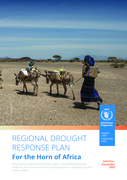
After five consecutive below-average rains, the humanitarian crisis in the Horn of Africa is expanding and deepening.
Combined with insecurity and macroeconomic volatility, the impact of the drought on food and nutrition security has been devastating. Across Ethiopia, Kenya and Somalia, an estima...
Reproductive health needs are particularly acute in countries affected by armed conflict. Reliable information
on aid investment for reproductive health in these countries is essential for improving the efficiency and effectiveness of
aid. The purpose of this study was to analyse official developm...
The essential medicines are those that meet the priority needs of the healthcare of the population. While reviewing the 5th edition of the essential Medicines, special attention focused on the health sector policy. Indeed, medicines play an important role in protecting, maintaining and restoring th...
Due to the heterogeneous distribution of malaria transmission and its determinants, subnational tailoring (SNT) provides an analytical framework to facilitate the targeting of each population with appropriate intervention packages for maximum impact to inform national strategic planning and prioriti...
Int. J. Environ. Res. Public Health 2021, 18(24), 13339; https://doi.org/10.3390/ijerph182413339
The climate crisis threatens to exacerbate numerous climate-sensitive health risks, including heatwave mortality, malnutrition from reduced crop yields, water- and vector-borne infectious diseases, and...
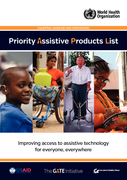
Improving access to assistive technology for everyone, everywhere.
The first WHO Priority Assistive Products List was launched in May 2016. The List includes hearing aids, wheelchairs, communication aids, spectacles, artificial limbs, pill organizers, memory aids and other essential items for many...

Editorial
Rev Panam Salud Publica 40(6), 2016