
Filter
6085
Filtered Results: 6085
Text search:
infrastructure
Featured
Recommendations
487
New Publications
1681
Language
Document type
No document type
3165
Studies & Reports
1204
Guidelines
731
Strategic & Response Plan
353
Manuals
352
Fact sheets
106
Situation Updates
75
Training Material
56
Resource Platforms
16
Infographics
11
Brochures
10
Online Courses
2
Videos
2
Dashboards/Maps
1
App
1
Countries / Regions
Global
275
India
249
Kenya
187
Myanmar / Burma
137
Sierra Leone
132
Ethiopia
122
Liberia
117
Latin America and the Carribbean
115
Nepal
113
South Africa
106
Uganda
104
Syria
103
Nigeria
99
Africa
99
Congo, Democratic Republic of
90
Rwanda
84
Malawi
84
Bangladesh
84
Zambia
79
Ukraine
73
Tanzania
66
Ghana
65
Haiti
64
Western and Central Europe
62
Senegal
61
Venezuela
57
Namibia
53
South Sudan
52
Burkina Faso
51
Guinea
49
Paraguay
48
Mozambique
46
Colombia
43
West and Central Africa
40
Zimbabwe
39
Cambodia
38
Asia
37
South–East Asia Region
37
Yemen
37
Philippines
34
East and Southern Africa
34
Peru
32
Lesotho
31
Central African Republic
31
Benin
30
Indonesia
30
Eastern Europe
26
Cameroon
25
Pakistan
25
Afghanistan
24
Botswana
24
Middle East and North Africa
23
Argentina
20
Madagascar
18
Bolivia
17
Somalia
17
Jordan
16
Sudan
16
Chile
15
Western Pacific Region
15
Brazil
15
Germany
14
Mali
14
Lebanon
13
Ecuador
13
Vietnam
12
Côte d’Ivoire / Ivory Coast
11
Eswatini/ Swaziland
11
China
10
Sri Lanka
10
Laos
9
Niger
9
Eastern Europe and Central Asia
9
Moldova
9
Iraq
9
Thailand
8
El Salvador
8
Turkey
8
Albania
8
Burundi
8
Guatemala
8
USA
7
Russia
7
Libya
7
Timor Leste/ East Timor
6
Iran
6
Papua New Guinea
6
Palestine
6
Chad
6
Tajikistan
5
Mexico
5
Togo
5
Turkmenistan
5
Georgia
5
Poland
5
Armenia
4
Southern Africa
4
Romania
4
Greece
4
Honduras
4
Kazakhstan
3
Vanuatu
3
Croatia
3
Mauritius
3
Angola
3
Bhutan
3
North Macedonia
2
Serbia
2
Canada
2
Fiji
2
Singapore
2
Kyrgyzstan
2
Congo-Brazzaville
2
Malaysia
2
Mauritania
2
Dominican Republic
2
Guinea-Bissau
2
Hungary
2
Lithuania
2
North America
2
Japan
2
France
2
Tunisia
2
Spain
2
Belarus
2
Guyana
2
Egypt
2
North Korea
1
Gambia
1
Uzbekistan
1
Morocco
1
Qatar
1
Bulgaria
1
Italy
1
Saudi Arabia
1
Luxembourg
1
Uruguay
1
Jamaica
1
Belgium
1
United Kingdom
1
Portugal
1
Azerbaijan
1
Bosnia and Herzegovina
1
Nicaragua
1
Djibouti
1
Slovakia
1
Solomon Islands
1
Authors & Publishers
Publication Years
Category
Countries
2513
Key Resources
524
Clinical Guidelines
321
Public Health
314
Women & Child Health
231
Capacity Building
67
Pharmacy & Technologies
62
Annual Report MEDBOX
1
Toolboxes
COVID-19
488
Planetary Health
371
HIV
303
TB
301
Conflict
281
Disability
261
Mental Health
256
Ebola & Marburg
190
AMR
161
Natural Hazards
153
Caregiver
150
Global Health Education
148
NTDs
129
Rapid Response
117
Health Financing Toolbox
100
NCDs
93
Refugee
87
2.0 Rapid Response
83
Pharmacy
80
Malaria
71
Cholera
52
Specific Hazards
41
Polio
34
Zika
28
Social Ethics
20
Typhoon
12
South Sudan
2
No country can claim to be free from health-care associated infections, therefore, improvement of infection prevention and control (IPC) strategies is essential. WHO recommends the use of multimodal improvement strategies to implement IPC interventions. These include each item of standard and transm...
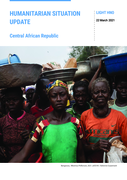
The humanitarian situation in the Central African Republic (CAR) has further worsened over the past six months. Election-related violence that broke out in mid-December 2020 has had a devastating effect on civilians. Thousands of people have been forced to flee, human rights violations have surged, ...

This National Health Policy has 5 objectives, namely
i. To strengthen the healthcare delivery system to be resilient
ii. To encourage the adoption of healthy lifestyles
iii. To improve the physical environment
iv. To improve the socio-economic status of the population
v. To ensure sustainable f...
This new plan has been developed to build on successes made and lessons learnt from implementation of the two initial plans and to provide a short to medium term strategic anchor against which preparedness and response plans to the corona virus disease COVID-19 epidemic in the country should focus o...

In 2015, 5.9 million children under age five died (1). The major causes of child deaths globally are pneumonia, prematurity, intrapartum-related complications, neonatal sepsis, congenital anomalies, diarrhoea, injuries and malaria (2). Most of these diseases and conditions are at least partially cau...
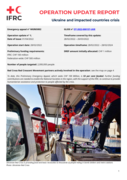
Operation update 01/04/2022
Advocacy report March 2011
303100 03/2011 E 1,000
Children’s mental health is top concern for Ukrainian parents, new World Vision report finds; Studies show 22 per cent of people in conflict zones suffer mental disorders; Prevention programs must be urgently prioritised
The Global Task Force on Cholera Control (GTFCC) launched Ending Cholera: A Global
Roadmap to 2030 (Global Roadmap) (1), a strategy that aims to reduce global cholera
deaths by 90% and eliminate the disease in at least 20 countries by 2030. It is
organized according to three main axes:
• E...
This thematic brief accompanies the Working for Health 2022–2030 Action Plan, serving as a rationale to the related actions of the Working for Health progression model (see Annex). The brief aims to inform Member States, non-state actors and other users of the Action Plan to guide action on inves...

The 2030 health-related Sustainable Development Goals call on countries to end AIDS as a public health threat and also to achieve universal health coverage. The World Health Organization (WHO) promotes primary health care (PHC) as the key mechanism for achieving universal health coverage, and the PH...
Development finance institutions owned by European governments and the World Bank Group are spending hundreds of millions of dollars on expensive for-profit hospitals in the Global South that block patients from getting care, or bankrupt them, with some even imprisoning patients who cannot afford th...

While there has been real progress in addressing the burden of disease in the WHO African region, the COVID-19 pandemic has highlighted the link between health, economics and security, as the region saw decades of progress threatened, including positive trends in decreasing inequality. In the Africa...
Report of the Office of the United Nations High Commissioner for Human Rights | The present study focuses on inclusive education as a means to realize the universal right to education, including for persons with disabilities. It analyses the relevant provisions of the Convention on the Rights of Per...
This Tailoring Antimicrobial Resistance Programmes (TAP) process assists Member States in initiating and undertaking projects to address the spread of antimicrobial resistance (AMR) in their countries. AMR is a complex problem requiring unique, context-specific solutions. This TAP Toolbo...
Air pollution is one of the leading causes of health complications and mortality worldwide, especially affecting lower-income groups, who tend to be more exposed and vulnerable. This study documents the relationship between ambient air pollution exposure and poverty in 211 countries and territories....

This module covers common Non-Communicable Diseases such as Hypertension, Diabetes and three common cancers (Cervical,
Breast and Oral cancer). The focus of this module is on building the knowledge and skills of the Multi-Purpose Workers (MPW) in
undertaking Population Based Screening, identifi ca...
Investing in and building longer-term health emergency preparedness during the COVID-19 pandemic
recommended
Interim Guidance
This document is to help Member States build on actions taken during the COVID-19 pandemic to improve national medium- to long-term preparedness for future threats. It maps COVID-19 preparedness and response actions to the building of sustainable International Health Regulations (2...
