Filter
4229
Filtered Results: 4229
Text search:
companies
Featured
Recommendations
453
New Publications
934
Language
Document type
No document type
1840
Studies & Reports
890
Guidelines
694
Manuals
353
Strategic & Response Plan
216
Training Material
91
Fact sheets
74
Situation Updates
31
Resource Platforms
18
Infographics
10
Brochures
9
App
1
Online Courses
1
Videos
1
Countries / Regions
Global
287
Western and Central Europe
102
India
97
Latin America and the Carribbean
65
Africa
60
Sierra Leone
59
South Africa
52
Liberia
50
Ukraine
49
Nigeria
49
Kenya
47
Congo, Democratic Republic of
46
South–East Asia Region
45
Eastern Europe
41
Nepal
38
Ethiopia
37
Myanmar / Burma
37
Ghana
35
Rwanda
34
Syria
31
Asia
30
Uganda
30
Philippines
28
Guinea
28
Tanzania
28
Malawi
27
Namibia
27
Zambia
27
Bangladesh
26
Senegal
25
Mozambique
23
West and Central Africa
23
East and Southern Africa
23
Yemen
21
Eastern Europe and Central Asia
20
South Sudan
19
Middle East and North Africa
18
Burkina Faso
16
Indonesia
16
Madagascar
16
Cameroon
15
Zimbabwe
15
Haiti
15
Germany
15
Botswana
15
Cambodia
14
Brazil
14
Central African Republic
14
Western Pacific Region
13
Benin
12
Afghanistan
12
Côte d’Ivoire / Ivory Coast
12
Mali
12
Venezuela
11
Lesotho
10
Russia
10
Pakistan
10
Colombia
9
Sudan
9
Somalia
9
Thailand
8
China
8
Moldova
8
Vietnam
7
Eswatini/ Swaziland
7
Iran
6
USA
6
North America
6
North Macedonia
5
Tajikistan
5
Kyrgyzstan
5
Peru
5
Jordan
5
Paraguay
5
Angola
5
Chad
5
Kazakhstan
4
Niger
4
Lebanon
4
Sri Lanka
4
Iraq
4
Ecuador
4
El Salvador
3
Togo
3
Chile
3
Albania
3
Laos
3
Morocco
3
Guinea-Bissau
3
Turkmenistan
3
United Kingdom
3
Egypt
3
Georgia
3
Switzerland
2
Timor Leste/ East Timor
2
Serbia
2
Turkey
2
Estonia
2
Mongolia
2
Qatar
2
Armenia
2
Saudi Arabia
2
Jamaica
2
France
2
Mauritius
2
Tunisia
2
Portugal
2
Belarus
2
Bosnia and Herzegovina
2
Argentina
2
Papua New Guinea
2
Djibouti
2
Romania
2
Palestine
2
Libya
2
North Korea
1
Gambia
1
Congo-Brazzaville
1
Uzbekistan
1
Burundi
1
Bulgaria
1
Mauritania
1
Dominican Republic
1
Croatia
1
Hungary
1
Lithuania
1
Ireland
1
Gabon
1
Japan
1
Denmark
1
Spain
1
Azerbaijan
1
Israel
1
Southern Africa
1
Bolivia
1
Greece
1
Poland
1
Honduras
1
Bhutan
1
Authors & Publishers
Publication Years
Category
Countries
972
Clinical Guidelines
462
Public Health
334
Key Resources
312
Women & Child Health
299
Capacity Building
103
Pharmacy & Technologies
92
Toolboxes
COVID-19
338
HIV
306
Mental Health
279
TB
242
Planetary Health
224
AMR
180
NTDs
175
Caregiver
143
Disability
135
Ebola & Marburg
127
Pharmacy
124
Global Health Education
119
Rapid Response
115
Conflict
93
Malaria
84
2.0 Rapid Response
84
NCDs
82
Health Financing Toolbox
80
Refugee
71
Natural Hazards
57
Zika
42
Specific Hazards
33
Polio
28
Cholera
23
Social Ethics
11
Typhoon
1
There has been no systematic comparison of how the policy response to past infectious disease outbreaks and epidemics was funded. This study aims to collate and analyse funding for the Ebola epidemic and Zika outbreak between 2014 and 2019 in order to understand the shortcomings in funding reporting...

The GFF needs an additional US$2.5 billion from 2021 to 2025 to enable countries to protect health gains and accelerate progress toward the 2030 Goals. Of this amount, the GFF urgently needs to secure new pledges of US$1.2 billion by the end of 2021 to help its current 36 partner countries protect ...
Severe Acute Malnutrition (SAM) is one of the greatest child survival challenges in the world today and
reportedly affects more than 16.2 million children each year1. High impact, proven treatment interventions exist
yet sadly approximately only 3.2 million children with SAM have access to treatme...
Fills a gap in current guidance on how to implement humanitarian standards in urban situations. In Arabic, English, French and Spanish available
PMPB/INS-GUIDE/02
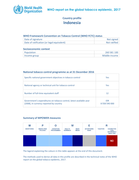
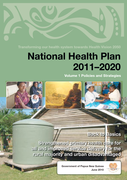
The health of the people and health services are in crisis, and together as partners this plan commits us to strategies aimed at achieving our goal of:
Strengthened primary health care for all, and improved service delivery for the rural majority and the urban disadvantaged.
Original fi...
Strengthened primary health care for all, and improved service delivery for the rural majority and the urban disadvantaged.
Original fi...
AidData has developed a set of open source data collection methods to track project-level data on suppliers of official finance who do not participate in global reporting systems. This codebook outlines the version 1.1 set of TUFF procedures that have been developed, tested, refined, and implemented...
Selection and Use of Essential Medicines 2021
recommended
The 23rd meeting of the WHO Expert Committee on Selection and Use of Essential Medicines was coordinated from Geneva, Switzerland, and held virtually from 21 June to 2 July 2021. The Committee considered 88 applications proposing additions, changes and deletions of medicines, medicine classes and fo...
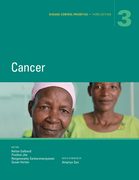
Cancer
recommended
This volume presents the complex patterns of cancer incidence and death around the world and evidence on effective and cost-effective ways to control cancers. The Disease Control Priorities Volume 3 evaluation of cancer will indicate where cancer treatment is ineffective and wasteful, and offer alte...
TOWARDS 30 YEARS OF THE BEIJING DECLARATION AND PLATFORM FOR ACTION: UNITE TO END VIOLENCE AGAINST WOMEN
Concept Note
"This document provides recommendations for protecting healthcare providers and managing patients in the event of a hazardous materials exposure. Content was compiled through nationally recognized, current practice standards and formatted into user-friendly materials. "
Findings on maternal and child health in Nepal, Mozambique and
Rwanda, and neglected tropical diseases in Cambodia and Sierra Leone | This report synthesises findings from five country case studies from the health dimension of this project, which focus on maternal and child health (MCH) (Mozambique...
Taking the whole of Africa approach to fighting the COVID-19 pandemic has and will continue to require coordinated efforts from multiple stakeholders from across the continent. Africa CDC would like to acknowledge the deep partnership and continued support of AUDA-NEPAD, AVAREF, WHO AFRO, the Bill a...

This guidance note is meant to assist humanitarian actors, youth-led organizations, and young people themselves across sectors, working at local, country, regional, and global levels in their response to the novel coronavirus pandemic. It begins diagnostically, exploring the impacts of coronavirus d...