
Filter
4206
Filtered Results: 4206
Text search:
community
mental
health
service
Featured
Recommendations
434
New Publications
920
Language
Document type
No document type
2359
Studies & Reports
682
Guidelines
487
Manuals
279
Strategic & Response Plan
185
Training Material
87
Fact sheets
55
Situation Updates
37
Brochures
13
Resource Platforms
13
Infographics
7
App
1
Online Courses
1
Countries / Regions
Global
178
India
163
Kenya
117
South Africa
115
Western and Central Europe
96
Uganda
83
Nepal
79
Latin America and the Carribbean
77
Ethiopia
72
Syria
71
Liberia
71
Nigeria
66
Myanmar / Burma
61
Ukraine
60
Bangladesh
60
Sierra Leone
59
Philippines
53
Ghana
49
Zambia
47
Malawi
46
Tanzania
44
Namibia
42
Rwanda
40
Africa
38
South Sudan
33
Congo, Democratic Republic of
31
South–East Asia Region
31
Zimbabwe
28
Eastern Europe
28
Cambodia
27
Lesotho
26
Indonesia
24
Haiti
23
Eastern Europe and Central Asia
19
Mozambique
18
Guinea
17
Asia
17
East and Southern Africa
17
Senegal
15
Afghanistan
15
Botswana
15
Colombia
14
Russia
14
Yemen
14
Lebanon
13
Eswatini/ Swaziland
13
Jordan
12
Germany
12
West and Central Africa
12
Sudan
12
Cameroon
11
Venezuela
11
Middle East and North Africa
11
Western Pacific Region
11
Brazil
11
Moldova
11
Iraq
11
Pakistan
11
Peru
10
Thailand
9
Vietnam
9
Sri Lanka
9
Tajikistan
8
USA
8
Somalia
8
Turkey
7
Chile
7
Albania
7
Burkina Faso
7
China
6
Laos
6
Central African Republic
6
Ecuador
6
Burundi
5
Paraguay
5
Timor Leste/ East Timor
4
Benin
4
Kazakhstan
4
Canada
4
Hungary
4
Bolivia
4
Papua New Guinea
4
Greece
4
Palestine
4
Georgia
4
Poland
4
North Macedonia
3
Mexico
3
Gambia
3
Iran
3
Jamaica
3
United Kingdom
3
Belarus
3
Southern Africa
3
Argentina
3
Egypt
3
Romania
3
Mali
3
Madagascar
3
El Salvador
2
Singapore
2
Malaysia
2
Guinea-Bissau
2
Lithuania
2
North America
2
Côte d’Ivoire / Ivory Coast
2
Nicaragua
2
Honduras
2
Angola
2
Libya
2
Bhutan
2
Guatemala
2
North Korea
1
Serbia
1
Togo
1
Fiji
1
Estonia
1
Kyrgyzstan
1
Morocco
1
Bulgaria
1
Italy
1
Armenia
1
Croatia
1
Ireland
1
Saudi Arabia
1
Turkmenistan
1
Belgium
1
Mauritius
1
Tunisia
1
Spain
1
French Guyana
1
Israel
1
Guyana
1
Slovakia
1
Chad
1
Authors & Publishers
Publication Years
Category
Countries
1515
Public Health
256
Key Resources
243
Women & Child Health
242
Clinical Guidelines
189
Capacity Building
104
Pharmacy & Technologies
19
Annual Report MEDBOX
1
Toolboxes
Mental Health
699
COVID-19
414
Disability
321
HIV
307
Conflict
191
Caregiver
140
Planetary Health
121
TB
120
Refugee
118
Global Health Education
66
Ebola & Marburg
64
NTDs
60
Natural Hazards
59
NCDs
58
Rapid Response
47
Pharmacy
42
Specific Hazards
27
Health Financing Toolbox
27
Social Ethics
22
2.0 Rapid Response
22
AMR
14
Zika
11
Cholera
9
Malaria
6
Polio
3
Typhoon
3
South Sudan
1
The global COVID-19 pandemic has led to unprecedented levels of disruption to education, impacting over 90% of the world’s student population: 1.54 billion children, including 743 million girls. School closures and the wider socio-economic impacts of COVID-19 on communities and society also disrup...
This brief presents and addresses some of the challenges that prevent internally displaced persons with disabilities and other vulnerable population groups (elderly, injured persons, pregnant women, etc.) in camp settings from accessing humanitarian services in Iraq and impede on the development of ...
Accessed: 07.11.2019
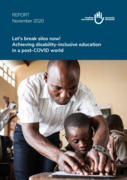
Humanity & Inclusion has published a report on November 20, on the difficulties children with disabilities face in accessing education in the world’s poorest countries.
The achievable imperative for global progress
There are social and environmental barriers faced by persons with disabilities which have been reported in literature. In discussing these barriers, attention is yet to be given to the support from families to members with disabilities. This study aimed to examine family support and its impact on th...
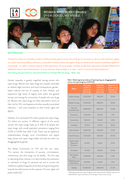
Findings from this report reveal that, rates of early marriage are high, a significant percentage of children contribute to the household’s income or are its main source of income, and restrictions on the mobility of women and girls constrain their participation in social and economic activities a...
How we respond both now and going forward will help mitigate the impact of COVID-19, and to the extent possible preserve children’s rights to Survive, Learn, and Be Protected. We will focus our efforts on the most critical work essential to maintaining these commitments to the extent possible.
The COVID-19 pandemic has affected everyone, including key populations at higher risk of HIV. And the gains made against other infectious diseases, including HIV, are at risk of being reversed as a result of disruptions caused by COVID-19. This is the background to a new report published by FHI 360,...
Contributions in International Seminars 1988 -2008
Intercultural Pastoral Care and Counselling, no. 20
