
Filter
6449
Filtered Results: 6449
Text search:
task
Featured
Recommendations
586
New Publications
1651
Language
Document type
No document type
3530
Studies & Reports
999
Guidelines
814
Manuals
437
Strategic & Response Plan
279
Training Material
149
Fact sheets
119
Situation Updates
61
Resource Platforms
22
Infographics
21
Brochures
14
Online Courses
3
Videos
1
Countries / Regions
Global
293
India
287
Kenya
170
Liberia
139
Sierra Leone
137
South Africa
137
Ethiopia
134
Nigeria
128
Uganda
126
Myanmar / Burma
110
Nepal
101
Western and Central Europe
100
Syria
91
Africa
89
Bangladesh
89
Zambia
89
Rwanda
87
Malawi
85
Latin America and the Carribbean
74
Tanzania
72
Ghana
69
Philippines
66
Ukraine
64
Namibia
62
Congo, Democratic Republic of
59
South Sudan
59
Indonesia
52
Mozambique
43
East and Southern Africa
40
Guinea
38
West and Central Africa
38
South–East Asia Region
37
Lesotho
36
Eastern Europe
36
Middle East and North Africa
35
Yemen
35
Senegal
33
Cambodia
33
Asia
32
Germany
32
Zimbabwe
30
Botswana
28
Haiti
25
Pakistan
25
Brazil
24
Russia
22
Lebanon
21
Afghanistan
19
Central African Republic
19
Burkina Faso
18
Colombia
16
Cameroon
16
Venezuela
15
Eswatini/ Swaziland
15
Thailand
14
Eastern Europe and Central Asia
14
USA
12
Jordan
12
Vietnam
12
Iraq
12
Benin
11
Laos
11
Peru
11
Sri Lanka
11
Mali
11
Somalia
11
Western Pacific Region
10
Côte d’Ivoire / Ivory Coast
10
Moldova
10
China
9
Turkey
8
Sudan
8
Angola
8
Tajikistan
7
Chile
7
Paraguay
7
Palestine
7
Georgia
7
North Macedonia
6
Togo
6
Burundi
6
Guinea-Bissau
6
North America
6
Southern Africa
6
Argentina
6
Papua New Guinea
6
Madagascar
6
Timor Leste/ East Timor
5
Iran
5
Hungary
5
Ecuador
5
Mexico
4
Kyrgyzstan
4
Japan
4
United Kingdom
4
Portugal
4
Greece
4
Poland
4
Bhutan
4
Serbia
3
Gambia
3
Kazakhstan
3
Albania
3
Singapore
3
Niger
3
Malaysia
3
Croatia
3
Jamaica
3
Bolivia
3
Romania
3
Switzerland
2
Estonia
2
Bulgaria
2
Armenia
2
Lithuania
2
Saudi Arabia
2
Turkmenistan
2
Belgium
2
Spain
2
Azerbaijan
2
Slovakia
2
Honduras
2
Chad
2
Libya
2
Guatemala
2
El Salvador
1
Australia
1
Canada
1
Fiji
1
Congo-Brazzaville
1
Uzbekistan
1
Austria
1
Vanuatu
1
Morocco
1
Mongolia
1
Qatar
1
Ireland
1
Denmark
1
France
1
Maldives
1
Mauritius
1
Norway
1
Belarus
1
Bosnia and Herzegovina
1
Egypt
1
Authors & Publishers
Publication Years
Category
Countries
2352
Key Resources
484
Clinical Guidelines
411
Women & Child Health
368
Public Health
367
Capacity Building
175
Pharmacy & Technologies
52
Annual Report MEDBOX
2
Toolboxes
Mental Health
546
COVID-19
541
HIV
424
Disability
293
Caregiver
236
TB
233
Conflict
216
Ebola & Marburg
207
Planetary Health
181
AMR
150
NTDs
146
Refugee
132
NCDs
123
Rapid Response
120
Natural Hazards
102
Pharmacy
94
Global Health Education
83
Cholera
81
Health Financing Toolbox
76
2.0 Rapid Response
75
Social Ethics
64
Malaria
61
Polio
39
Specific Hazards
38
Zika
27
Typhoon
4
South Sudan
2
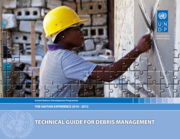
The building damage assessment, conducted between March 2010 and February 2011 by the Government of Haiti and the United Nations system, showed that more than 400,000 buildings were damaged or destroyed, of which approximately 218,000 could be occupied without repairs (green category), 105,000 were ...
The WHO Global strategy on human resources for health: workforce 2030 encourages development partners and global health initiatives to leverage their support to health systems in countries to sustainably strengthen the health workforce. To assess the impact of these investments, a methodology was de...
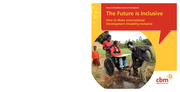
Series on Disability-Inclusive Development. This publication introduces the key concepts for disability-inclusive development and highlights practical examples by CBM, to contribute to the dialogue on disability-inclusive development
Standard Treatment Guideline
Guidelines for Therapy and Management of Hypertension in Cardiovascular Disease in Indonesia
Ebola Response Roadmap
recommended
The World Health Organization is issuing a "roadmap" to guide and coordinate the international response to the outbreak of Ebola virus disease in West Africa.
The aim is to stop ongoing Ebola transmission worldwide within 6–9 months, while rapidly managing the consequences of any further interna...

This paper aims to understand the agency that caregivers who participated in a CBR empowerment component programme exercised, in order to promote the rights of their children with disabilities to a basic education.
This manual summarizes the methodology used to develop WHODAS 2.0 and the findings obtained when the schedule was applied to certain areas of general health, including mental and neurological disorders.
The manual will be useful to any researcher or clinician wishing to use WHODAS 2.0 in their prac...
TB remains one of the world’s deadliest infectious diseases, second only to COVID-19, and drug-resistant TB strains are still a major concern. In the fight against TB, urgent investment is critical, especially in the context of the ongoing pandemic.

In disaster preparedness, the participation of women, children, older people, persons with disabilities (PWDs), and other minority groups and sectors is important because they are the most vulnerable against disasters. Inclusive disaster preparedness provides technical and logical frameworks that as...

It provides insight into WHO’s work that aims to improve the health of the people of the United Republic of Tanzania in collaboration with key stakeholders.
CFCA PRACTICE RESOURCE – JUNE 2016 ~ CHILD FAMILY COMMUNITY AUSTRALIA┃INFORMATION EXCHANGE ~ This practice paper provides an overview of what we know from research about cognitive development in children who have experienced trauma, and provides principles to support
effective practice respons...
Introduction
Chapter A.2
Substance use disorders
Chapter G.3
