
Filter
5678
Filtered Results: 5678
Text search:
behaviour
change
Featured
Recommendations
459
New Publications
1479
Language
Document type
No document type
3330
Studies & Reports
928
Guidelines
579
Manuals
320
Strategic & Response Plan
205
Training Material
147
Fact sheets
81
Situation Updates
33
Brochures
18
Resource Platforms
17
Infographics
10
Online Courses
7
Videos
2
App
1
Countries / Regions
India
259
Global
239
Kenya
170
Ethiopia
139
Sierra Leone
131
Nepal
123
Liberia
117
Uganda
110
South Africa
106
Nigeria
104
Zambia
98
Bangladesh
90
Tanzania
85
Western and Central Europe
84
Ghana
81
Malawi
79
Rwanda
77
Myanmar / Burma
76
Africa
73
Latin America and the Carribbean
62
Namibia
52
Ukraine
51
Philippines
51
Syria
49
Zimbabwe
43
Congo, Democratic Republic of
40
Indonesia
38
South–East Asia Region
37
Lesotho
36
Cambodia
36
Guinea
35
Asia
34
South Sudan
31
Senegal
30
Eastern Europe
30
Botswana
26
Burkina Faso
23
Mozambique
21
Haiti
20
East and Southern Africa
19
West and Central Africa
18
Lebanon
18
Pakistan
18
Cameroon
17
Germany
17
Afghanistan
16
Russia
15
Middle East and North Africa
14
Benin
13
Vietnam
13
China
12
Jordan
12
Western Pacific Region
12
Eastern Europe and Central Asia
12
Sudan
11
Yemen
11
Tajikistan
10
Thailand
10
Brazil
10
Somalia
10
Eswatini/ Swaziland
10
Colombia
9
USA
9
Iraq
9
Chile
8
Laos
7
Peru
7
Sri Lanka
7
Mali
7
Venezuela
6
North America
6
Moldova
6
Georgia
6
Albania
5
Burundi
5
United Kingdom
5
Côte d’Ivoire / Ivory Coast
5
Papua New Guinea
5
Central African Republic
5
Timor Leste/ East Timor
4
Kazakhstan
4
Spain
4
Southern Africa
4
Egypt
4
Madagascar
4
El Salvador
3
Turkey
3
Togo
3
Iran
3
Kyrgyzstan
3
Niger
3
Armenia
3
Guyana
3
Argentina
3
Palestine
3
Poland
3
Honduras
3
Libya
3
Ecuador
3
Guatemala
3
North Macedonia
2
Mexico
2
Serbia
2
Gambia
2
Canada
2
Singapore
2
Estonia
2
Dominican Republic
2
Lithuania
2
Paraguay
2
Japan
2
Portugal
2
Bolivia
2
Switzerland
1
Fiji
1
Congo-Brazzaville
1
Uzbekistan
1
Malaysia
1
Morocco
1
Mongolia
1
Qatar
1
Croatia
1
Hungary
1
Ireland
1
Gabon
1
Turkmenistan
1
Jamaica
1
Denmark
1
France
1
Tunisia
1
Belarus
1
Israel
1
Latvia
1
Belize
1
Costa Rica
1
Panama
1
Nicaragua
1
Romania
1
Greece
1
Angola
1
Bhutan
1
Authors & Publishers
Publication Years
Category
Countries
2068
Key Resources
365
Public Health
345
Women & Child Health
342
Clinical Guidelines
266
Capacity Building
183
Pharmacy & Technologies
12
Toolboxes
Mental Health
657
HIV
497
COVID-19
333
Planetary Health
262
Disability
210
Caregiver
176
Ebola & Marburg
153
TB
148
AMR
133
NTDs
126
Global Health Education
115
Conflict
110
Refugee
100
Malaria
99
NCDs
97
Rapid Response
67
Natural Hazards
51
2.0 Rapid Response
44
Social Ethics
43
Cholera
41
Health Financing Toolbox
41
Pharmacy
40
Zika
28
Specific Hazards
20
Polio
17
The Republic of the Union of Myanmar’s National Strategic Plan on HIV/AIDS 2016–2020 is the strategic guide for the country’s response to HIV at national, state/regional and local levels. The framework describes the current dynamics of the HIV epidemic and articulates a strategy to optimize in...
Malawi Integrated Guidelines and Standard Operating Procedures for Providing HIV Services. 3rd edition 2016
Unhealthy diets and excess body weight are leading risk factors for death and disability in the WHO European Region. Addressing malnutrition in all its forms is essential to ensure health and well-being for all and, consequently, sustainable development. It requires coherent and innovative actions c...
The Covid-19 pandemic has so far infected more than 30 million people in the world, having major impact on global health with collateral damage. In Mozambique, a public state of emergency was declared at the end of March 2020. This has limited people's movements and reduced public services, leading ...
Available in: English, French, Chinese, Spanish, Russian, Arabic, Thai, Korean, Tajik, Vietnamese, Uzbek
http://www.who.int/disabilities/cbr/guidelines/en/
The Look Back Study (LBS) focuses on the water and sanitation and hygiene (WASH) component of the project but some additional information was collected along side the WASH data. This data has been compared to the baseline survey data that was reported at start of the project (see tables in annex D t...

This collection of case studies on risk communication and community engagement (RCCE) from 18 different country/area level public health partners in the WHO European Region provides evidence of numerous results achieved and lessons learned since the start of the COVID-19 pandemic. RCCE has not...
The mandate of the National Tuberculosis Control Programme is to provide leadership and stewardship to accelerate intense and coordinated efforts to reduce the adult TB burden of 290 per 100,000 population recently established in the 2013 National TB Prevalence Survey. Other key challenges are low T...


ABSTRACT
More than 500 million people worldwide live with cardiovascular disease (CVD). Health systems today face fundamental challenges in delivering optimal care due to ageing populations, healthcare workforce constraints, financing, availability and affordability of CVD medicine, and service del...
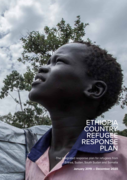
Refugee protection in the country is provided within the framework of these international and national refugee laws as well as the core international human rights treaties that have been ratified by the country. Continued insecurity within neighbouring states has resulted in sustained refugee moveme...
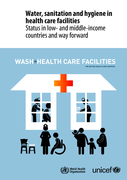
This report presents, for the first time, a global assessment of the extent to which health care facilities provide essential water, sanitation and hygiene (WASH) services. Drawing on data from 54 low- and middle-income countries, the report concludes that 38% lack access to even rudimentary levels ...

he refugee flow to Ethiopia continued during 2018, with 36,1351 persons seeking safety and protection within the country’s borders. At the start of 2019, the nation hosted 905,8312 thousand refugees who were forced to flee their homes as a result of insecurity, political instability, military cons...
The global tripartite self-assessment survey of country progress in addressing antimicrobial resistance (AMR) is a component of a broader approach for monitoring and evaluation of the global action plan on AMR. This report analyses the results of the second tripartite self-assessment survey. It has ...
The current SEARVAP (South-East Asia regional vaccine action plan) describes a set of regional goals and objectives for immunization and control of vaccine-preventable diseases for 2016 – 2020 and highlights priority actions, targets and indicators that address the specific needs and challenges of...
The Ministry of Health conducted STEPS surveys on adult risk factors surveillance in Myanmar in 2003, 2009 and 2014. Amongst these three surveys, the 2014 one is the most comprehensive, providing an analysis of all States and Regions within Myanmar through not only questionnaires and physical measur...
