
Filter
4127
Filtered Results: 4127
Text search:
Essential
Medicines
Department
Featured
Recommendations
410
New Publications
1094
Language
Document type
No document type
2214
Studies & Reports
736
Guidelines
588
Manuals
283
Strategic & Response Plan
154
Training Material
78
Fact sheets
34
Situation Updates
30
Infographics
5
Resource Platforms
3
Brochures
2
Countries / Regions
India
200
Global
164
South Africa
134
Kenya
122
Nepal
93
Latin America and the Carribbean
92
Uganda
78
Ethiopia
73
Nigeria
71
Sierra Leone
67
Malawi
66
Myanmar / Burma
65
Tanzania
64
Liberia
61
Western and Central Europe
58
Ghana
55
Zambia
52
Africa
50
Bangladesh
50
Philippines
47
South–East Asia Region
36
Brazil
36
Rwanda
35
Syria
33
Mozambique
30
Ukraine
26
Namibia
26
Eastern Europe
25
Haiti
23
Zimbabwe
22
Asia
22
Lesotho
21
Paraguay
21
Congo, Democratic Republic of
20
Colombia
19
Cambodia
19
Guinea
17
Venezuela
16
Botswana
16
East and Southern Africa
15
Bolivia
15
Indonesia
14
Senegal
13
West and Central Africa
13
Cameroon
12
Germany
12
Russia
12
South Sudan
12
Eswatini/ Swaziland
12
Yemen
11
Pakistan
11
Thailand
9
Benin
9
Chile
9
Peru
9
USA
9
Vietnam
9
Burkina Faso
8
Jordan
8
Middle East and North Africa
8
Laos
7
Afghanistan
7
Western Pacific Region
7
Sri Lanka
7
Somalia
7
Albania
6
Eastern Europe and Central Asia
6
North America
6
Lebanon
6
Sudan
6
Iraq
6
Tajikistan
5
Timor Leste/ East Timor
5
Turkey
5
China
5
Argentina
5
Papua New Guinea
5
Georgia
5
El Salvador
4
United Kingdom
4
Spain
4
Angola
4
Chad
4
Ecuador
4
North Macedonia
3
Mexico
3
Canada
3
Fiji
3
Portugal
3
Southern Africa
3
Côte d’Ivoire / Ivory Coast
3
Moldova
3
Bhutan
3
Guatemala
3
Kazakhstan
2
Iran
2
Kyrgyzstan
2
Niger
2
Mongolia
2
Hungary
2
Uruguay
2
Japan
2
Bosnia and Herzegovina
2
Nicaragua
2
Romania
2
Greece
2
Palestine
2
Central African Republic
2
Poland
2
Honduras
2
Mali
2
Serbia
1
Australia
1
Gambia
1
Togo
1
Singapore
1
Estonia
1
Uzbekistan
1
Burundi
1
Morocco
1
Qatar
1
Bulgaria
1
Armenia
1
Dominican Republic
1
Guinea-Bissau
1
Lithuania
1
Saudi Arabia
1
Gabon
1
Turkmenistan
1
Denmark
1
France
1
Mauritius
1
Tunisia
1
Belarus
1
Israel
1
Latvia
1
Belize
1
Costa Rica
1
Panama
1
Egypt
1
Libya
1
Madagascar
1
Authors & Publishers
Publication Years
Category
Countries
1612
Clinical Guidelines
379
Public Health
242
Women & Child Health
222
Key Resources
214
Capacity Building
81
Pharmacy & Technologies
54
Toolboxes
Mental Health
365
HIV
288
COVID-19
261
TB
239
AMR
164
Caregiver
142
Pharmacy
132
NTDs
127
Disability
114
Planetary Health
109
NCDs
95
Ebola & Marburg
93
Conflict
80
Rapid Response
69
Global Health Education
69
Malaria
53
Refugee
51
Natural Hazards
47
Health Financing Toolbox
47
2.0 Rapid Response
39
Specific Hazards
26
Zika
19
Social Ethics
16
Cholera
15
Polio
13
Typhoon
1

Adolescents and young adults aged 10-24 remain underserved in the global response against HIV. Combination prevention, treatment and care programmes use a mix of evidence-based interventions to meet the current HIV prevention needs of adolescents and young adults. However, there needs to be a focus ...

Global tuberculosis report 2025
recommended
The WHO Global tuberculosis report 2025 provides a comprehensive and up-to-date assessment of the TB epidemic and of progress in prevention, diagnosis and treatment of the disease, at global, regional and country levels. This is done in the context of global TB commitments, strategies and targets.
...

Integrated drug resistance action framework for HIV, hepatitis B and C and sexually transmitted infections, 2026–2030
recommended
New
Developed through broad and inclusive consultation, and aligned with the WHO Global Health Sector Strategies and the Sustainable Development Goals, the framework promotes a people-centred approach and antimicrobial stewardship across 5 key domains: prevention and response, surveillance, research and...
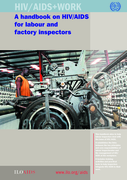
This handbook aims to help labour inspectors deal with the issue of HIV/AIDS.
It establishes the links between the key principles and core responsibilities of labour inspectorates and the management of HIV/ AIDS at the workplace.
It includes training activities and practical tools to help inspecto...
Infectious diseases cause over one billion human infections per year, with millions of deaths each year globally. Extensive health and financial burden is seen from both established and emerging infectious diseases. Infectious diseases also affect plants and animals, which may pose threats to agricu...
Operational Framework for Primary Health Care
recommended
Every day, health-care providers are being attacked, patients discriminated against, ambulances held up at checkpoints, hospitals bombed, medical supplies looted and entire communities cut off from critical services around the world.
Between January 2012 and December 2014, the ICRC documented n...
Between January 2012 and December 2014, the ICRC documented n...
The report focuses on antibacterial resistance (ABR) in common bacterial pathogens. There is a major gap in knowledge about the magnitude of this problem. Antimicrobial resistance (AMR) threatens the effective revention and treatment of an ever-increasing range of infections caused by bacteria, para...

The overall goal of this strategy is to ensure accurate understanding of the
benefits of covid-19 vaccination and alleviate apprehension about the vaccine, to ensure its acceptance and encourage uptake across various audiences.
Objectives
x Create demand, promote acceptability and accessibility o...


22 December 2020
The COVID-19 vaccine safety guidance manual has been developed upon recommendation and guidance of GACVS members, as well as by experts incorporating current and available information critical to all stakeholders when COVID-19 vaccines will be introduced.
For ease of use, the man...
Kenya: Guidelines on use of antiretroviral drugs for treating and preventing HIV infection
recommended
2018 Edition
A public health emergency operation center (PHEOC) serves as a hub for better coordinating the preparation, response, and recovery for public health emergencies. A functional PHEOC is critical for the implementation of the International Health Regulations (IHR 2005). The Framework for a Public Healt...

The Council was established in late 2020 by Dr Tedros Adhanom
Ghebreyesus (Director-General, WHO) to provide new economic thinking – reassessing how health and wellbeing are valued, produced and distributed across the economy. An all-female group of 10 distinguished economists and area experts, t...
Namibia is estimated to be at 94-97-93 as defined by the UNAIDS 95-95-95 treatment cascade, one of the first high burden countries to approach epidemic control. COP22 is about sustaining the impact of years of investment and partnership with the Namibian government and other stakeholders by employin...
