
Filter
3488
Filtered Results: 3488
Text search:
national
drug
authority
Featured
Recommendations
328
New Publications
974
Language
Document type
No document type
1993
Studies & Reports
558
Guidelines
490
Manuals
187
Strategic & Response Plan
148
Training Material
40
Fact sheets
37
Situation Updates
20
Resource Platforms
5
Infographics
4
Brochures
3
Online Courses
3
Countries / Regions
India
176
Global
127
Kenya
104
Uganda
97
Ethiopia
95
Western and Central Europe
89
Nigeria
68
South Africa
68
Liberia
65
Ghana
64
Tanzania
61
Latin America and the Carribbean
56
Sierra Leone
55
Zambia
53
Myanmar / Burma
52
Nepal
50
Bangladesh
50
Malawi
49
Africa
45
Rwanda
42
Eastern Europe
36
Ukraine
35
Namibia
32
Zimbabwe
31
Cambodia
31
Asia
30
South–East Asia Region
30
Philippines
26
Lesotho
22
Congo, Democratic Republic of
19
Botswana
18
Syria
15
Indonesia
14
Mozambique
13
Eastern Europe and Central Asia
13
Senegal
12
South Sudan
12
Eswatini/ Swaziland
12
Venezuela
11
Burkina Faso
10
Haiti
10
East and Southern Africa
10
Vietnam
10
Russia
10
Germany
9
Brazil
9
Colombia
8
Albania
8
Laos
8
Guinea
8
West and Central Africa
8
Middle East and North Africa
8
Pakistan
8
Thailand
7
China
7
Tajikistan
6
Cameroon
6
Afghanistan
6
USA
6
Western Pacific Region
6
Sri Lanka
6
Georgia
6
North America
5
Moldova
5
Sudan
5
Central African Republic
5
North Macedonia
4
Mexico
4
Iran
4
Jordan
4
Yemen
4
Iraq
4
Timor Leste/ East Timor
3
El Salvador
3
Turkey
3
Benin
3
Fiji
3
Jamaica
3
Lebanon
3
Papua New Guinea
3
Palestine
3
Mali
3
Libya
3
Somalia
3
Serbia
2
Chile
2
Kyrgyzstan
2
Uzbekistan
2
Peru
2
Morocco
2
Mongolia
2
Armenia
2
Hungary
2
Saudi Arabia
2
United Kingdom
2
Portugal
2
Bolivia
2
Argentina
2
Poland
2
Honduras
2
Bhutan
2
North Korea
1
Switzerland
1
Australia
1
Kazakhstan
1
Canada
1
Estonia
1
Qatar
1
Bulgaria
1
Italy
1
Dominican Republic
1
Guinea-Bissau
1
Lithuania
1
Ireland
1
Paraguay
1
Gabon
1
Turkmenistan
1
Denmark
1
France
1
Maldives
1
Mauritius
1
Tunisia
1
Norway
1
Spain
1
Belarus
1
Southern Africa
1
Côte d’Ivoire / Ivory Coast
1
Belize
1
Costa Rica
1
Panama
1
Nicaragua
1
Egypt
1
Romania
1
Greece
1
Angola
1
Madagascar
1
Guatemala
1
Authors & Publishers
Publication Years
Category
Countries
1309
Clinical Guidelines
325
Public Health
190
Women & Child Health
144
Key Resources
132
Pharmacy & Technologies
59
Capacity Building
54
Toolboxes
HIV
376
TB
323
Mental Health
286
AMR
207
COVID-19
149
Pharmacy
141
NTDs
125
Malaria
75
Caregiver
66
Rapid Response
60
Ebola & Marburg
58
NCDs
52
Planetary Health
51
Refugee
49
Conflict
45
Global Health Education
39
Disability
33
2.0 Rapid Response
25
Health Financing Toolbox
22
Polio
18
Zika
17
Cholera
15
Specific Hazards
14
Natural Hazards
14
Social Ethics
5

Human rights-based approaches to the creation of knowledge involve application of human rights principles to both the content and process of knowledge creation. Human rights-based approaches have special significance for the sexual and reproductive health and rights (SRHR) of all people, in particul...
Technical Series on Safer Primary Care
Epilepsy is one of the world’s most common chronic neurological disorders. Roughly 50 million people
suffer from it, 5 million of them in the Region of the Americas . Nevertheless, it is estimated that over
50% of these people in Latin America and the Caribbean have no access to services. Furthe...

The Open Infectious Diseases Journal, 2010, 4, 33-37
Assessment Report

The Quadripartite Organizations – the Food and Agriculture Organization of the United Nations (FAO), the United Nations Environment Programme (UNEP), the World Organisation for Animal Health (WOAH, founded as OIE), and the World Health Organization (WHO) – collaborate to drive the change and tra...
3rd edition
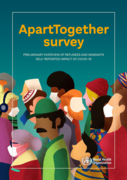
Preliminary overview of refugees and migrants self-reported impact of COVID-19
The study surveyed over 30,000 refugees and migrants living in 170 countries. Many of the respondents had fled war or dire economic conditions in their home country only to be faced with the additional challenges posed b...
The objective of the evaluation is to understand whether the CHW program has achieved its intended objectives, thus contributing to the overarching objectives defined in the HSSP III of improving the health status of the population by “Ensuring universal accessibility of quality health services fo...
To improve survival and quality of life among the 2.5 million children living with HIV, a comprehensive package of prevention, care and treatment is required. This package should include management of infections such as pneumonia, diarrhoea, malaria and ear infections, as well as common opportunisti...
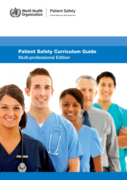
The Multi-professional Patient Safety Curriculum Guide (2011) was developed to assist in the teaching of patient safety in universities and schools in the fields of dentistry, medicine, midwifery, nursing and pharmacy. It also supports the on-going training of all health care professionals.
The C...
The objective of the EMTCT Plus initiative is to achieve and sustain the elimination
of mother-to-child transmission of HIV, syphilis, Chagas, and perinatal hepatitis
B (HBV) as a public health threat. It embraces the principles and lines of action
of the Strategy for Universal Access to Health a...
WHO has updated its guidelines for COVID-19 therapeutics, with revised recommendations for patients with non-severe COVID-19. This is the 13th update to these guidelines.
Updated risk rates for hospital admission in patients with non-severe COVID-19
The guidance includes updated risk rates for...
