
Filter
3183
Filtered Results: 3183
Text search:
Acnur
Featured
Recommendations
365
New Publications
748
Language
Document type
No document type
1329
Studies & Reports
668
Guidelines
599
Manuals
289
Strategic & Response Plan
128
Training Material
75
Fact sheets
44
Situation Updates
30
Resource Platforms
8
Infographics
4
Videos
4
Brochures
3
Dashboards/Maps
1
App
1
Countries / Regions
Global
222
India
119
Africa
53
Uganda
53
Latin America and the Carribbean
51
South Africa
51
Kenya
50
Ethiopia
49
Western and Central Europe
47
Myanmar / Burma
43
Nigeria
40
Tanzania
35
Malawi
33
Rwanda
32
Ukraine
31
Sierra Leone
31
South–East Asia Region
31
Bangladesh
29
Liberia
29
Nepal
28
Venezuela
27
Syria
25
Ghana
24
Zambia
20
Philippines
19
East and Southern Africa
19
Colombia
18
Asia
17
West and Central Africa
17
Eastern Europe and Central Asia
17
Guinea
16
Cambodia
16
Congo, Democratic Republic of
15
Eastern Europe
14
Brazil
14
Zimbabwe
13
Namibia
13
Indonesia
13
Senegal
12
Middle East and North Africa
12
Russia
12
Lesotho
11
Mozambique
11
South Sudan
11
Afghanistan
10
Cameroon
9
Burkina Faso
9
Botswana
9
Pakistan
9
Haiti
8
Western Pacific Region
8
Sri Lanka
8
Yemen
8
Ecuador
8
USA
7
Argentina
7
Thailand
6
China
6
Jordan
6
Mali
6
Somalia
6
Tajikistan
5
Laos
5
Peru
5
Vietnam
5
Sudan
5
Eswatini/ Swaziland
5
Chile
4
Germany
4
North America
4
Côte d’Ivoire / Ivory Coast
4
North Macedonia
3
Iran
3
Kyrgyzstan
3
Paraguay
3
Bolivia
3
Lebanon
3
Moldova
3
Angola
3
Iraq
3
Timor Leste/ East Timor
2
El Salvador
2
Serbia
2
Benin
2
Kazakhstan
2
Albania
2
Singapore
2
Niger
2
Burundi
2
Malaysia
2
Qatar
2
Armenia
2
Djibouti
2
Egypt
2
Palestine
2
Georgia
2
Libya
2
Bhutan
2
North Korea
1
Mexico
1
Gambia
1
Togo
1
Fiji
1
Estonia
1
Uzbekistan
1
Mongolia
1
Bulgaria
1
Mauritania
1
Italy
1
Dominican Republic
1
Saudi Arabia
1
Gabon
1
Uruguay
1
Japan
1
Denmark
1
Mauritius
1
United Kingdom
1
Portugal
1
Azerbaijan
1
Belarus
1
Southern Africa
1
Guyana
1
Papua New Guinea
1
Romania
1
Poland
1
Honduras
1
Chad
1
Guatemala
1
Authors & Publishers
Publication Years
Category
Countries
893
Clinical Guidelines
340
Key Resources
239
Public Health
230
Women & Child Health
210
Pharmacy & Technologies
81
Capacity Building
78
Toolboxes
COVID-19
253
HIV
249
Mental Health
234
TB
217
NTDs
154
Planetary Health
130
Caregiver
122
NCDs
98
AMR
89
Conflict
75
Pharmacy
71
Rapid Response
67
Disability
61
Malaria
61
2.0 Rapid Response
58
Ebola & Marburg
50
Health Financing Toolbox
50
Global Health Education
49
Refugee
40
Cholera
39
Natural Hazards
38
Specific Hazards
23
Zika
23
Polio
16
South Sudan
1
Social Ethics
1

In response to the recent publication “Is onchocerciasis elimination in Africa feasible by 2025: a perspective based on lessons learnt from the African control programmes” by Dadzie et al., it is important to clarify and highlight the positive and unequivocal research and operational contributio...
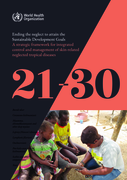
Skin-related neglected tropical diseases, or “skin NTDs”, are historically neglected because active case detection, individual case management, significant resources and intensive effort are required to control, eliminate and eradicate them. Integrated control and management of skin NTDs offers ...

The Lancet Volume 390, Issue 10110p2397-2409November 25, 2017.
Human African trypanosomiasis (HAT), also called sleeping sickness, is a parasitic infection that almost invariably progresses to death, unless treatment is provided. HAT caused devastating epidemics during the 20th century. Thanks to ...

The World Heart Federation (WHF) Roadmap series covers a large range of cardiovascular conditions. These Roadmaps identify potential roadblocks and their solutions to improve the prevention, detection and management of cardiovascular diseases and provide a generic global framework available for loca...

Asthma is the most common chronic condition in children worldwide. It affects daytime activities, sleep and school attendance and causes anxiety to parents, families and other carers. The quality of asthma diagnosis and management globally still needs substantial improvement. From infancy to the tee...

Mpox can spread in humans through close contact, usually skin-to-skin contact, including sexual contact, with an infected person or animal, as well as with materials contaminated with the virus such as clothing, beddings and towels, and respiratory droplets in prolonged face to face contact. People ...
22 April 2021
This Clinic Supervisor’s Manual is helpful for focusing managers on the key elements of integrated primary health care as they simultaneously integrate new interventions for HIV/AIDS, tuberculosis, and malaria. This tool contains 12 sections. Section 1 explains how to use the manual. Section 2 hel...
Drug Advisory Board

Antimicrobial resistance (AMR) has emerged as a leading cause of death in the African region, surpassing fatalities from malaria, HIV, and TB. In response to this critical threat, the region has adopted the AMR Global Action Plan and the African Union Framework for Antimicrobial Resistance Control 2...
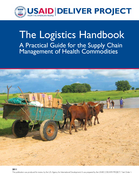
This resource offers practical guidance in managing the supply chain, with emphasis on health comodities. The handbook is particularly useful for program managers who design, manage, and assess logistics system for health program. The document includes detailed information about the design and imple...
Celebrating ten years of success 2004-2014
Managing possible serious bacterial infection in young infants 0–59 days old when referral is not feasible
recommended
WHO/UNICEF joint statement
Survey of the Quality of Selected Antimalarial Medicines Circulating in Six Countries of Sub-Saharan Africa
recommended
The survey aimed at evaluating the quality of selected antimalarials in six countries of sub-Saharan Africa (Cameroon, Ethiopia, Ghana, Kenya, Nigeria and the United Republic of Tanzania). These countries have been supported by WHO to strengthen their regulatory controls o...
This is a detailed manual giving a step by step approach to undertaking the pharmacovigilance of antiretrovirals. It is intended to be a source of practical advice for Pharmacovigilance Centres and health professionals involved in HIV/AIDS prevention and treatment programmes. A number of WHO publica...

Antimicrobials are medicines, including antibiotics, antivirals, antifungals, and antiparasitics, that are used to prevent and treat infections in humans, animals, and plants. Antimicrobial Resistance (AMR) arises when bacteria, viruses, fungi, and parasites no longer respond to these medicines, ren...
