
Filter
4750
Filtered Results: 4750
Text search:
feedback
Featured
Recommendations
472
New Publications
1305
Language
Document type
No document type
2509
Studies & Reports
668
Guidelines
628
Manuals
362
Strategic & Response Plan
233
Training Material
159
Fact sheets
64
Online Courses
48
Situation Updates
46
Resource Platforms
16
Brochures
8
Infographics
5
Dashboards/Maps
4
Countries / Regions
India
207
Global
197
Kenya
151
Uganda
105
Ethiopia
103
Nepal
96
Sierra Leone
96
South Africa
87
Nigeria
85
Liberia
83
Myanmar / Burma
82
Bangladesh
75
Tanzania
69
Congo, Democratic Republic of
64
Malawi
62
Rwanda
60
Zambia
60
Western and Central Europe
58
Africa
57
Ghana
52
Syria
52
Namibia
48
South Sudan
42
Ukraine
40
Mozambique
37
Guinea
36
Latin America and the Carribbean
35
Germany
32
Indonesia
32
Lesotho
31
Philippines
30
Senegal
29
Brazil
29
Haiti
26
Cambodia
26
South–East Asia Region
26
Zimbabwe
23
Botswana
21
East and Southern Africa
20
Yemen
20
Pakistan
20
Central African Republic
19
Asia
18
Eastern Europe
18
West and Central Africa
17
Burkina Faso
16
Middle East and North Africa
16
Lebanon
15
Angola
15
Cameroon
14
Russia
14
Afghanistan
13
Jordan
13
Madagascar
13
Vietnam
11
Colombia
10
Benin
10
Venezuela
10
China
9
Western Pacific Region
9
Côte d’Ivoire / Ivory Coast
9
Sudan
9
Mali
9
Thailand
8
Eswatini/ Swaziland
8
Burundi
7
Guinea-Bissau
7
Eastern Europe and Central Asia
7
Somalia
7
Laos
6
Portugal
6
Sri Lanka
6
Timor Leste/ East Timor
5
Turkey
5
Niger
5
Southern Africa
5
Iraq
5
USA
4
Papua New Guinea
4
Moldova
4
Georgia
4
Libya
4
Tajikistan
3
Serbia
3
Gambia
3
Togo
3
Kazakhstan
3
Albania
3
Kyrgyzstan
3
Peru
3
Malaysia
3
Croatia
3
United Kingdom
3
Spain
3
Palestine
3
Honduras
3
Chad
3
Bhutan
3
Ecuador
3
Iran
2
Canada
2
Singapore
2
Italy
2
Dominican Republic
2
Hungary
2
Paraguay
2
Turkmenistan
2
Mauritius
2
Guyana
2
Egypt
2
Romania
2
Poland
2
North Macedonia
1
North Korea
1
El Salvador
1
Chile
1
Fiji
1
Congo-Brazzaville
1
Uzbekistan
1
Morocco
1
Mongolia
1
Qatar
1
Bulgaria
1
Armenia
1
Lithuania
1
North America
1
Japan
1
Denmark
1
Belgium
1
Maldives
1
Azerbaijan
1
Belarus
1
Israel
1
Bosnia and Herzegovina
1
Bolivia
1
Belize
1
Costa Rica
1
Panama
1
Argentina
1
Nicaragua
1
Guatemala
1
Authors & Publishers
Publication Years
Category
Countries
1744
Key Resources
430
Women & Child Health
311
Clinical Guidelines
281
Public Health
276
Capacity Building
227
Pharmacy & Technologies
39
Annual Report MEDBOX
2
Toolboxes
COVID-19
413
Mental Health
316
HIV
254
Disability
226
Caregiver
193
Planetary Health
175
Conflict
164
TB
154
Ebola & Marburg
152
AMR
151
Rapid Response
113
NTDs
95
Refugee
85
2.0 Rapid Response
83
Global Health Education
83
Natural Hazards
79
Malaria
69
Pharmacy
66
NCDs
62
Health Financing Toolbox
32
Polio
32
Cholera
30
Zika
29
Specific Hazards
19
Social Ethics
18
South Sudan
2
Typhoon
2

arrow country studies
Political developments in Myanmar/Burma prompted the Asian-Pacific Resource and Research Centre for Women (ARROW) in 2013 to undertake a small-scale scoping study to re-evaluate and refine its advocacy strategies for sexual and reproductive health and rights (SRHR), and to s...
Political developments in Myanmar/Burma prompted the Asian-Pacific Resource and Research Centre for Women (ARROW) in 2013 to undertake a small-scale scoping study to re-evaluate and refine its advocacy strategies for sexual and reproductive health and rights (SRHR), and to s...

A new global Police Handbook aims to address some of the most difficult challenges that survivors of violence face when accessing police and justice sector services around the world.
This publication includes quotes from various respondents interviewed in Tripoli, Akkar and Beirut. We focused on three main questions: How are the relations between refugees and Lebanese? How are refugees faring in the job market? Which concrete initiatives have already demonstrated positive impact...
Sexual exploitation, sexual abuse and sexual harassment (SEAH) violate the rights and wellbeing of the people we serve and the people with whom we serve. Such behaviours are directly in opposition to WHO’s values and our abiding responsibility to do no harm. WHO uses the umbrella term “sexual mi...
2nd edition
WASH FIT is a risk-based, continuous improvement framework with a set of tools for undertaking water, sanitation and hygiene (WASH) improvements as part of wider quality improvements in health care facilities. It is aimed at small primary, and in some instances secondary, health care fa...
WHO mhGAP Guideline update
recommended
Update of the Mental Health Gap Action Programme
(mhGAP) Guideline for Mental, Neurological and Substance use Disorders May 2015
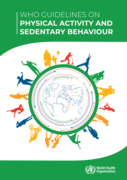
The WHO Guidelines on physical activity and sedentary behaviour provide evidence-based public health recommendations for children, adolescents, adults and older adults on the amount of physical activity (frequency, intensity and duration) required to offer significant health benefits and mitigate he...
A Guide for UNICEF Staff
Improve identification, verification, communication and coordination.

This fourth WHO report on neglected tropical diseases (NTDs) reviews the progress made towards achieving the Roadmap targets for 2020, noting the remaining challenges, then looks beyond 2020 to evaluate the changing global health and development landscape, considering the implications of integrating...
