
Filter
4751
Filtered Results: 4751
Text search:
feedback
Featured
Recommendations
473
New Publications
1305
Language
Document type
No document type
2508
Studies & Reports
669
Guidelines
629
Manuals
362
Strategic & Response Plan
233
Training Material
159
Fact sheets
64
Online Courses
48
Situation Updates
46
Resource Platforms
16
Brochures
8
Infographics
5
Dashboards/Maps
4
Countries / Regions
India
207
Global
197
Kenya
151
Uganda
105
Ethiopia
103
Nepal
96
Sierra Leone
96
South Africa
87
Nigeria
85
Liberia
83
Myanmar / Burma
82
Bangladesh
75
Tanzania
69
Congo, Democratic Republic of
64
Malawi
62
Rwanda
60
Zambia
60
Western and Central Europe
58
Africa
57
Ghana
52
Syria
52
Namibia
48
South Sudan
42
Ukraine
40
Mozambique
37
Guinea
36
Latin America and the Carribbean
35
Germany
32
Indonesia
32
Lesotho
31
Philippines
30
Senegal
29
Brazil
29
Haiti
26
Cambodia
26
South–East Asia Region
26
Zimbabwe
23
Botswana
21
East and Southern Africa
20
Yemen
20
Pakistan
20
Central African Republic
19
Asia
18
Eastern Europe
18
West and Central Africa
17
Burkina Faso
16
Middle East and North Africa
16
Lebanon
15
Angola
15
Cameroon
14
Russia
14
Afghanistan
13
Jordan
13
Madagascar
13
Vietnam
11
Colombia
10
Benin
10
Venezuela
10
China
9
Western Pacific Region
9
Côte d’Ivoire / Ivory Coast
9
Sudan
9
Mali
9
Thailand
8
Eswatini/ Swaziland
8
Burundi
7
Guinea-Bissau
7
Eastern Europe and Central Asia
7
Somalia
7
Laos
6
Portugal
6
Sri Lanka
6
Timor Leste/ East Timor
5
Turkey
5
Niger
5
Southern Africa
5
Iraq
5
USA
4
Papua New Guinea
4
Moldova
4
Georgia
4
Libya
4
Tajikistan
3
Serbia
3
Gambia
3
Togo
3
Kazakhstan
3
Albania
3
Kyrgyzstan
3
Peru
3
Malaysia
3
Croatia
3
United Kingdom
3
Spain
3
Palestine
3
Honduras
3
Chad
3
Bhutan
3
Ecuador
3
Iran
2
Canada
2
Singapore
2
Italy
2
Dominican Republic
2
Hungary
2
Paraguay
2
Turkmenistan
2
Mauritius
2
Guyana
2
Egypt
2
Romania
2
Poland
2
North Macedonia
1
North Korea
1
El Salvador
1
Chile
1
Fiji
1
Congo-Brazzaville
1
Uzbekistan
1
Morocco
1
Mongolia
1
Qatar
1
Bulgaria
1
Armenia
1
Lithuania
1
North America
1
Japan
1
Denmark
1
Belgium
1
Maldives
1
Azerbaijan
1
Belarus
1
Israel
1
Bosnia and Herzegovina
1
Bolivia
1
Belize
1
Costa Rica
1
Panama
1
Argentina
1
Nicaragua
1
Guatemala
1
Authors & Publishers
Publication Years
Category
Countries
1744
Key Resources
430
Women & Child Health
311
Clinical Guidelines
281
Public Health
276
Capacity Building
227
Pharmacy & Technologies
39
Annual Report MEDBOX
2
Toolboxes
COVID-19
413
Mental Health
316
HIV
253
Disability
226
Caregiver
193
Planetary Health
175
Conflict
164
TB
154
Ebola & Marburg
152
AMR
151
Rapid Response
113
NTDs
95
Refugee
85
2.0 Rapid Response
83
Global Health Education
83
Natural Hazards
79
Malaria
70
Pharmacy
66
NCDs
62
Health Financing Toolbox
32
Polio
32
Cholera
30
Zika
29
Specific Hazards
19
Social Ethics
18
South Sudan
2
Typhoon
2
This is the seventeenth annual publication of the Global Hunger Index (GHI), a report jointly published by Concern Worldwide and Welthungerhilfe.
The 2022 Global Hunger Index (GHI) brings us face to face with a grim reality. The toxic cocktail of conflict, climate change, and the COVID-19 pandemi...
The global tripartite self-assessment survey of country progress in addressing antimicrobial resistance (AMR) is a component of a broader approach for monitoring and evaluation of the global action plan on AMR. This report analyses the results of the second tripartite self-assessment survey. It has ...
Women have less access to the development services and support – such as adequate healthcare, education and
modern technology – that make people more resilient to climate change and other shocks and stressors.2
Women’s unequal access to resources, their disproportionate responsibility for ca...
Snakebite envenoming affects millions of people worldwide annually and is a significant source of mortality. Preventing and treating the problem is complex and requires collaboration among the fields of public health, medicine, ecology, and laboratory science. After being removed from the category A...
This guide is strongly practice -oriented and intended as an open resource when replicating similar methods of psychosocial care in other projects. It describes the steps in the development of our pilot project
"Low threshold psychosocial support for refugees and asylum seekers’ in...
This toolkit is designed to help you plan and implement a Patient Navigation program with the best chance of reducing health disparities and improving health outcomes for your patients. It contains evidence-based and experience-based examples, case studies, practical tools, and resources to help you...
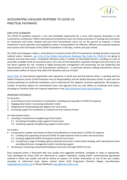
Street Child & Child Protection AoR: Accelerating localised response to COVID-19: Practical pathways
The COVID-19 pandemic presents a rare and immediate opportunity for a norm shift towards localisation in the humanitarian architecture. Whils tinternational humanitarian actors are facing constraints in funding and restrictions on movement and travel, national and local level ...
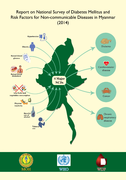
The Ministry of Health conducted STEPS surveys on adult risk factors surveillance in Myanmar in 2003, 2009 and 2014. Amongst these three surveys, the 2014 one is the most comprehensive, providing an analysis of all States and Regions within Myanmar through not only questionnaires and physical measur...
In 2024, we need US$1.5 billion to provide live-saving health care to millions of people in emergencies. An alarming combination of conflict, climate-related threats and increasing economic hardship mean an estimated 166 million people require health assistance.

As part of our commitment to the fight against NCDs, Nigeria was signatory to the political declaration at the UN General Assembly High Level Meeting on NCDs in September 2011. Thus, the purpose of this document is to develop and ensure the implementation of policies and p...
It explains the importance of faecal sludge management in urban areas in which many people rely on on-site and decentralized sanitation facilities and emphasizes the place of treatment in the overall sanitation service chain. It defines terms used throughout the book, explains why faecal sludge and ...
PSY supporting material
• Person stories
• Case scenarios
• Role plays
• Multiple choice questions
• Video links
Nosocomial infections, or hospital-acquired infec-tions (HAI), are among the most significant causesof morbidity and mortality in healthcare settingsthroughout the world.Prevention of HAIs iscentral to providing high quality and safe health-care, even in settings with limited resources.Transmi...
A discussion paper outlining the first steps in developing a nutrient profile model to drive changes to product composition and labelling and promotion practices in the WHO European Region
The aims of the guidance are to protect breastfeeding, prevent obesity and chronic diseases, promote a healthy...
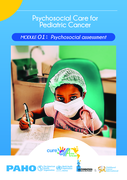
Advances in the treatment of pediatric cancer have made it possible to expand initiatives beyond cure and cover aspects such as early detection, continuity of treatment and reduction in toxicity. All this has paved the way for a more comprehensive vision of patient care, which means better chances o...
