
Filter
3099
Filtered Results: 3099
Text search:
humanitarian
impact
Featured
Recommendations
307
New Publications
835
Language
Document type
No document type
1462
Studies & Reports
642
Guidelines
346
Strategic & Response Plan
217
Manuals
191
Situation Updates
97
Fact sheets
80
Training Material
41
Resource Platforms
13
Infographics
5
Brochures
4
Online Courses
1
Countries / Regions
Global
204
Syria
145
Myanmar / Burma
105
Congo, Democratic Republic of
94
Ukraine
89
Liberia
72
South Sudan
69
Sierra Leone
66
Kenya
65
Yemen
58
Venezuela
57
Bangladesh
49
Nepal
47
Latin America and the Carribbean
47
Ethiopia
45
Haiti
44
Nigeria
40
Western and Central Europe
40
Uganda
38
Mozambique
37
Africa
36
Guinea
35
India
34
Central African Republic
28
Colombia
27
Malawi
24
Afghanistan
22
Somalia
22
Lebanon
21
Philippines
20
East and Southern Africa
20
Rwanda
19
West and Central Africa
19
Middle East and North Africa
19
Indonesia
19
Zimbabwe
18
South–East Asia Region
18
Sudan
18
Burkina Faso
17
Brazil
17
Senegal
16
Jordan
15
Pakistan
15
Mali
14
Lesotho
13
Eastern Europe and Central Asia
13
Turkey
12
Eastern Europe
12
Namibia
12
Zambia
12
Asia
11
Germany
11
Palestine
11
Peru
10
South Africa
10
Vietnam
10
Russia
10
Iraq
10
Thailand
9
Ghana
9
Moldova
9
Cameroon
8
Laos
8
Cambodia
8
Chile
7
Niger
7
Burundi
7
Western Pacific Region
7
Libya
7
Tanzania
6
Ecuador
6
China
5
Paraguay
5
Côte d’Ivoire / Ivory Coast
5
Argentina
5
Chad
5
Tajikistan
4
Iran
4
Bolivia
4
Papua New Guinea
4
Sri Lanka
4
Romania
4
Greece
4
Poland
4
Botswana
4
Madagascar
4
Eswatini/ Swaziland
4
Mexico
3
El Salvador
3
Togo
3
Malaysia
3
Guinea-Bissau
3
Croatia
3
Hungary
3
Gambia
2
Canada
2
Singapore
2
Vanuatu
2
Bulgaria
2
Italy
2
North America
2
Turkmenistan
2
Japan
2
Tunisia
2
Southern Africa
2
Djibouti
2
Egypt
2
Honduras
2
Angola
2
Guatemala
2
North Korea
1
Switzerland
1
Timor Leste/ East Timor
1
Serbia
1
Benin
1
Kazakhstan
1
Albania
1
Fiji
1
Kyrgyzstan
1
Uzbekistan
1
Mongolia
1
Mauritania
1
Armenia
1
Dominican Republic
1
Ireland
1
Saudi Arabia
1
Jamaica
1
Mauritius
1
Portugal
1
Spain
1
Algeria
1
Azerbaijan
1
Belarus
1
French Guyana
1
Bosnia and Herzegovina
1
Nicaragua
1
Slovakia
1
Bhutan
1
Solomon Islands
1
Authors & Publishers
Publication Years
Category
Countries
1007
Key Resources
457
Women & Child Health
217
Public Health
135
Clinical Guidelines
117
Capacity Building
50
Pharmacy & Technologies
7
Annual Report MEDBOX
3
Toolboxes
COVID-19
471
Conflict
341
Mental Health
224
Natural Hazards
153
Refugee
148
Disability
147
Ebola & Marburg
131
HIV
115
Planetary Health
107
Rapid Response
68
Health Financing Toolbox
68
Global Health Education
57
2.0 Rapid Response
52
Caregiver
46
TB
39
Cholera
34
Malaria
27
Specific Hazards
26
NTDs
25
Polio
19
NCDs
17
Pharmacy
13
Zika
12
Typhoon
8
AMR
7
Social Ethics
4
South Sudan
2
The CWG in Iraq has updated the SMEB and has designed a new MEB and gap analysis to inform the transfer values for cash programming in 2023. This document is a technical note with the summary of the values and the methodology.
There has been no systematic comparison of how the policy response to past infectious disease outbreaks and epidemics was funded. This study aims to collate and analyse funding for the Ebola epidemic and Zika outbreak between 2014 and 2019 in order to understand the shortcomings in funding reporting...

Updated September 2014
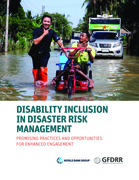
This paper provides information to assist World Bank and GFDRR staff in affecting disability-inclusive DRM. It is based upon desk reviews of existing practice, as well as consultations with experts in the field of disability-inclusive DRM. The paper:
- Illustrates promising practices related to...
- Illustrates promising practices related to...
Stop TB Communicable Diseases
Policy Brief
Accessed: 20.11.2019

English Analysis on World and 26 other countries about Agriculture, Climate Change and Environment, Drought, Epidemic and more; published on 26 Oct 2021 by WMO
Human Rights, Minimum Standards and Monitoring at the European and International Levels
The World Health Organization Regional Office for Africa (WHO AFRO), in accordance with recommendations from various WHO committees, has developed three flagship programmes to support Member States in the African region to prepare for, detect and respond to public health emergencies. They are the re...
Areas for action include: increasing prioritisation and awareness of dementia; reducing the risk of dementia; diagnosis, treatment and care; support for dementia carers; strengthening information systems for dementia; and research and innovation.
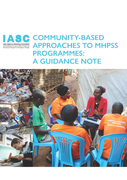
Community-based approaches to Mental Health and Psychosocial Support (CB MHPSS) in emergencies are based on the understanding that communities can be drivers for their own care and change and should be meaningfully involved in all stages of MHPSS responses. Emergency-affected people are first a...
