
Filter
2739
Filtered Results: 2739
Text search:
financial
sustainability
Featured
Recommendations
190
New Publications
801
Language
Document type
No document type
1525
Studies & Reports
585
Guidelines
241
Strategic & Response Plan
164
Manuals
125
Training Material
38
Fact sheets
27
Situation Updates
22
Resource Platforms
5
Brochures
4
Infographics
3
Countries / Regions
Global
169
Kenya
107
Myanmar / Burma
71
Uganda
67
Ethiopia
67
India
61
Nepal
59
Sierra Leone
59
Rwanda
58
Africa
57
Liberia
57
Nigeria
54
Malawi
53
Tanzania
44
South Africa
44
Latin America and the Carribbean
41
Western and Central Europe
41
Zambia
41
Ukraine
40
Ghana
40
Bangladesh
38
Namibia
38
Syria
31
Asia
27
Indonesia
27
Lesotho
25
Cambodia
25
Philippines
22
South Sudan
22
Mozambique
21
Guinea
20
Congo, Democratic Republic of
19
East and Southern Africa
19
Eastern Europe
19
Senegal
16
Haiti
15
South–East Asia Region
14
Zimbabwe
13
West and Central Africa
13
Thailand
11
Botswana
11
Cameroon
10
Laos
10
Burkina Faso
10
Jordan
9
Middle East and North Africa
9
Eswatini/ Swaziland
9
Vietnam
8
Yemen
8
Pakistan
8
Benin
7
China
7
Eastern Europe and Central Asia
7
Lebanon
7
Afghanistan
6
Brazil
6
Sudan
6
Central African Republic
6
Albania
5
Venezuela
5
Western Pacific Region
5
Côte d’Ivoire / Ivory Coast
5
Sri Lanka
5
Georgia
5
Somalia
5
North Macedonia
4
Timor Leste/ East Timor
4
Turkey
4
Peru
4
Germany
4
Papua New Guinea
4
Moldova
4
Mali
4
Chad
4
Ecuador
4
Madagascar
4
Colombia
3
El Salvador
3
Chile
3
Iran
3
USA
3
Egypt
3
Iraq
3
Tajikistan
2
Togo
2
Singapore
2
Niger
2
Burundi
2
Malaysia
2
Armenia
2
Hungary
2
Paraguay
2
Turkmenistan
2
Japan
2
Southern Africa
2
Bolivia
2
Russia
2
Honduras
2
Angola
2
Libya
2
North Korea
1
Serbia
1
Gambia
1
Fiji
1
Estonia
1
Kyrgyzstan
1
Congo-Brazzaville
1
Qatar
1
Bulgaria
1
Dominican Republic
1
Guinea-Bissau
1
Croatia
1
Lithuania
1
North America
1
France
1
Maldives
1
Portugal
1
Spain
1
Azerbaijan
1
Belarus
1
Bosnia and Herzegovina
1
Belize
1
Costa Rica
1
Panama
1
Argentina
1
Nicaragua
1
Romania
1
Palestine
1
Poland
1
Bhutan
1
Guatemala
1
Authors & Publishers
Publication Years
Category
Countries
1096
Key Resources
247
Public Health
181
Women & Child Health
125
Clinical Guidelines
106
Capacity Building
46
Pharmacy & Technologies
8
Toolboxes
HIV
214
Planetary Health
210
Mental Health
116
TB
112
COVID-19
105
Disability
99
Conflict
96
Health Financing Toolbox
91
AMR
87
NTDs
68
Global Health Education
66
Caregiver
61
Ebola & Marburg
50
Natural Hazards
48
Refugee
47
Pharmacy
39
Malaria
39
Rapid Response
35
NCDs
34
2.0 Rapid Response
29
Social Ethics
18
Polio
15
Cholera
10
Zika
5
Specific Hazards
4
South Sudan
1
Typhoon
1
During the pandemic, Brazil has provided its citizens with support in the areas of long-term care and disability, the labor market, social assistance, education, and pensions. This report focuses on two social policy areas, health-care and family benefits (including labor policies), as these were th...
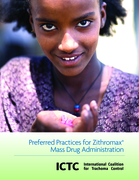
Countries, partners, and donors are committed to the global elimination of blinding trachoma by 2020.
Achieving this public health milestone requires more than funding; it requires health personnel with the
right mix of skills, and well supported and managed health systems. Mass drug administratio...

This report includes analysis from informal regional consultations in the African Region, the Caribbean and North America, Latin America, South-East Asia Region, European Region, Eastern Mediterranean Region, alongside three forums in the Western Pacific Region. It analyses the overarching similarit...
The humanitarian crisis in Northeast Nigeria, driven by conflict, climate-related shocks, and food insecurity, has created immense challenges for the health sector in Borno, Adamawa, and Yobe (BAY) States. About 1.8 million people remain displaced(1), with inadequate access to healthcare services an...
Disaster Recovery Toolkit

Accessed: 07.11.2019
Guidance on TB and TB/HIV prevention, diagnosis, treatment and care in the workplace
These toolkits were produced and used as part of the Moyo ndi Mpbamba project in Malawi to guide the community mobilization process in target districts.

Managers Who Lead empowers health managers at all levels of an organization to lead teams to face challenges and achieve results. It answers questions such as: How can I lead and manage more effectively? How do I create a shared vision and a clear path for achieving it? What can I do to improve work...
These guidelines are designed for ICRC and other health professionals – nurses, midwifes, doctors – who either lack experience in antenatal care or are not used to working in countries where medical infrastructure is underdeveloped or non-existent
This report presents data and outlines best practices and policies that can put governments on the path to providing every child with the best start in life. It outlines the neuroscience of early childhood development (ECD), including the importance of nutrition, protection and stimulation in the ea...

The Second Economic Development and Poverty Reduction Strategy (EDPRS 2) is a launch into the home straight of our Vision 2020. We are faced with new challenges of ensuring greater self-reliance and developing global competitiveness. Conscious of these challenges, we forge ahead knowing that by work...
The key aim of this guideline is to present recommendations based on a critical evaluation of the evidence on emerging digital health interventions that are contributing to health system improvements, based on an assessment of the benefits, harms, acceptability, feasibility, resource use and equity...
This year’s report should dispel any lingering doubts that the world is moving backwards in its efforts to end hunger, food insecurity and malnutrition in all its forms. We are now only eight years away from 2030, but the distance to reach many of the SDG 2 targets is growing wider each year. Ther...
This timely report comes at a decisive moment in history where
we can reshape urban environments and health systems for the
majority of the world’s population that live in cities. Enabling
this transformation are the SDGs, which have reconfigured how
governments and the international community...
The increasing global trend of Antimicrobial resistance (AMR) has gradually emerged as a major public health challenge for the entire world. AMR has spread to almost all countries and regions, including Pakistan owing to the “misuse and overuse” of Antimicrobials, contributing to the increasing ...
