
Filter
2723
Filtered Results: 2723
Text search:
Borde,
T.
Featured
Recommendations
287
New Publications
632
Language
Document type
No document type
1255
Studies & Reports
593
Guidelines
429
Manuals
186
Strategic & Response Plan
122
Training Material
59
Fact sheets
45
Situation Updates
17
Brochures
6
Infographics
6
Resource Platforms
5
Countries / Regions
Global
154
India
80
Western and Central Europe
63
Latin America and the Carribbean
51
Congo, Democratic Republic of
45
Liberia
45
Senegal
36
Africa
35
Kenya
34
Sierra Leone
34
Syria
33
Nigeria
29
Guinea
29
South Africa
29
Myanmar / Burma
29
Nepal
27
Burkina Faso
26
Uganda
23
Benin
21
West and Central Africa
21
South–East Asia Region
21
Ukraine
19
Germany
19
South Sudan
19
Ghana
18
Philippines
18
Brazil
17
Rwanda
16
Malawi
16
Haiti
16
Bangladesh
16
Mozambique
15
Asia
15
East and Southern Africa
15
Eastern Europe
15
Ethiopia
15
Colombia
14
Paraguay
14
Central African Republic
14
Zambia
14
Cameroon
13
Cambodia
12
Eastern Europe and Central Asia
11
Namibia
11
Mali
11
Madagascar
11
Venezuela
10
Tanzania
10
Zimbabwe
9
Vietnam
9
Russia
9
Thailand
8
Afghanistan
8
North America
8
Indonesia
8
Jordan
7
Western Pacific Region
7
Côte d’Ivoire / Ivory Coast
7
Argentina
7
Yemen
7
Pakistan
7
Lesotho
6
Middle East and North Africa
6
Bolivia
6
Lebanon
6
Chad
6
Togo
5
Niger
5
Peru
5
Iraq
5
Tajikistan
4
El Salvador
4
Turkey
4
Laos
4
Kyrgyzstan
4
Burundi
4
Sri Lanka
4
Botswana
4
Somalia
4
Timor Leste/ East Timor
3
China
3
Guinea-Bissau
3
France
3
Sudan
3
Palestine
3
Angola
3
Ecuador
3
Kazakhstan
2
Chile
2
Iran
2
Albania
2
Morocco
2
Mongolia
2
Mauritania
2
Portugal
2
Papua New Guinea
2
Moldova
2
Greece
2
Georgia
2
North Macedonia
1
Mexico
1
Estonia
1
Qatar
1
Italy
1
USA
1
Croatia
1
Saudi Arabia
1
Turkmenistan
1
Japan
1
Denmark
1
United Kingdom
1
Spain
1
Israel
1
Nicaragua
1
Djibouti
1
Egypt
1
Honduras
1
Libya
1
Eswatini/ Swaziland
1
Guatemala
1
Authors & Publishers
Publication Years
Category
Countries
758
Clinical Guidelines
305
Public Health
188
Women & Child Health
162
Key Resources
151
Capacity Building
56
Pharmacy & Technologies
42
Toolboxes
NTDs
185
HIV
180
COVID-19
176
Mental Health
174
Planetary Health
164
TB
159
Ebola & Marburg
116
Caregiver
83
AMR
70
Refugee
69
Conflict
67
Disability
62
Rapid Response
60
Malaria
52
Global Health Education
51
NCDs
50
Pharmacy
47
Zika
42
2.0 Rapid Response
38
Health Financing Toolbox
37
Natural Hazards
29
Cholera
21
Polio
15
Specific Hazards
10
Social Ethics
9
South Sudan
2
Typhoon
1
European Journal of Biomedical and Pharmaceutical Sciences, vol.3 (2016) 1, 192-206
This review shows that if all sub areas of pharmaceutical waste management can efficiently work back to back environmental pollution and dangers to human health can reduce significantly.
Clinical Microbiology and Infection Volume 21, Issue 5, May 2015, Pages 433-443;
The neglected zoonotic diseases (NZDs) have been all but eradicated in wealthier countries, but remain major causes of ill-health and mortality across Africa, Asia, and Latin America. This neglect is, in part, a conse...

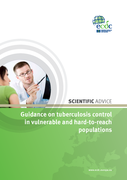
This guidance provides an overview of interventions to improve early diagnosis of TB and treatment completion in these populations, as well as factors to consider when developing programmes for health communication, awareness and education, and programme monitoring and evaluation
Investigación original / Original research
Rev Panam Salud Publica 36(3), 2014

The 2012 NDRMP lays out the Disaster Risk Management (DRM) architecture of the country and provides guidance for DRM intervention at all levels. However, implementation has been slow and resource challenges exist throughout the government.
The PNG government’s policy and institutional framework...
The PNG government’s policy and institutional framework...

Natural disasters often increase morbidity and mortality rates. Taking appropriate measures to maintain environmental health helps to reduce or eliminate the risks of preventable disease and death. Such measures contribute not only to the health of individuals in and near disaster-stricken areas, bu...
Rabies is a devastating and societally important zoonotic disease, which is transmitted principally to humans through the bite of infected dogs. This acute, progressive viral encephalitis has the highest case fatality of any infectious disease and kills tens of thousands of people annually, with chi...
The Disaster Recovery Framework (DRF) Guide for the Health Sector provides guidance on how to implement a comprehensive, integrated, and structured approach to disaster recovery. Its overarching goal is to minimize the impact of the disaster on communities and help countries to recover quickly and e...
How should humanitarian organisations prepare and respond to COVID-19 in humanitarian settings in low- and middle-income countries?
This Rapid Learning Review outlines 14 actions, insights and ideas for humanitarian actors to consider in their COVID-19 responses. It summarises and synthesises the...
Many countries have made significant progress in the implementation of World Health Organization recommended preventive chemotherapy strategy, to eliminate lymphatic filariasis (LF). However, pertinent challenges such as the existence of areas of residual infections in disease endemic districts pose...

Has the world worked together to tackle the coronavirus? July 2021. This research paper assesses how the global community has responded to calls for greater solidarity in tackling the COVID-19 pandemic, and presents the insights of key stakeholders and experts in global health governance, health sec...
National Strategic Plan for HIV 2015-2020 Malawi
recommended
The document provides a detailed overview of cholera, including its clinical features, diagnosis, treatment, and prevention. It explains the causes of cholera, its symptoms such as severe diarrhea and dehydration, and the importance of rehydration therapy (oral or intravenous) to reduce mortality. T...

The Democratic Republic of Timor-Leste has the highest TB incidence rate in the South East Asian Region - 498 per 100,000, which is the seventh highest in the world. In Timor-Leste TB is the eighth most common cause of death.
The salient observations are as follows:
In 2018, 487 (12.5%) of the...
Hypertension is referred to as a “silent killer”. Most people with hypertension are unaware of their condition as in most cases, they experience no warning signs or symptoms hence they are not identified or treated. Hypertention is associated with a number of conditions, disability, and causes o...
